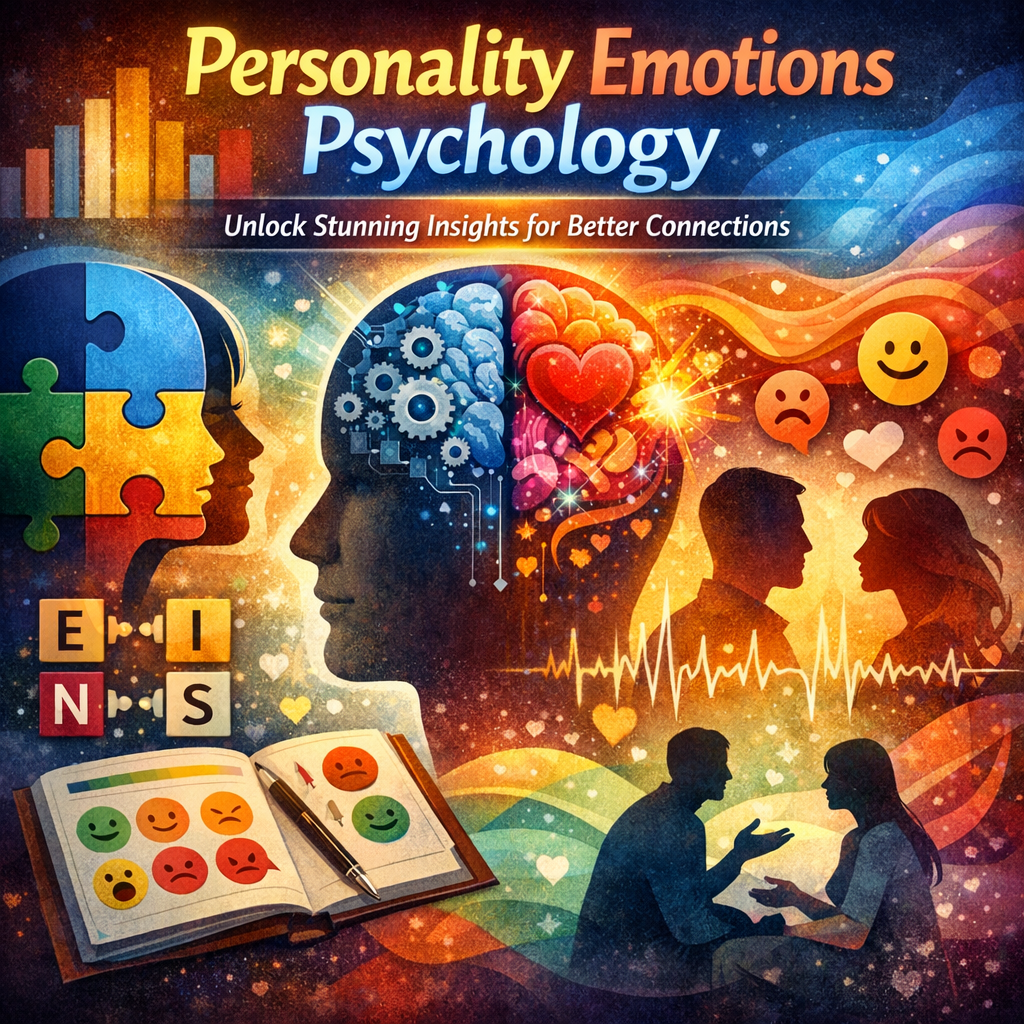
Personality Emotions Psychology: Unlock Stunning Insights for Better Connections
- Understanding Personality, Emotions, and Their Interconnection
- The Role of Personality Traits
- How Emotions Affect Relationship Dynamics
- Building Stronger Connections Through Emotional Awareness
- Embracing Growth and Change
- Conclusion: The Path to Deeper Connections
Unlock Stunning Insights for Better Connections Through Personality Emotions Psychology
When it comes to the intricate web of human interactions, personality emotions psychology plays a pivotal role. With our daily lives filled with interactions—whether with friends, family, colleagues, or strangers—understanding the emotional dynamics tied to our individual personalities can provide profound insights. This knowledge can enhance our relationships and overall well-being.
Understanding Personality, Emotions, and Their Interconnection
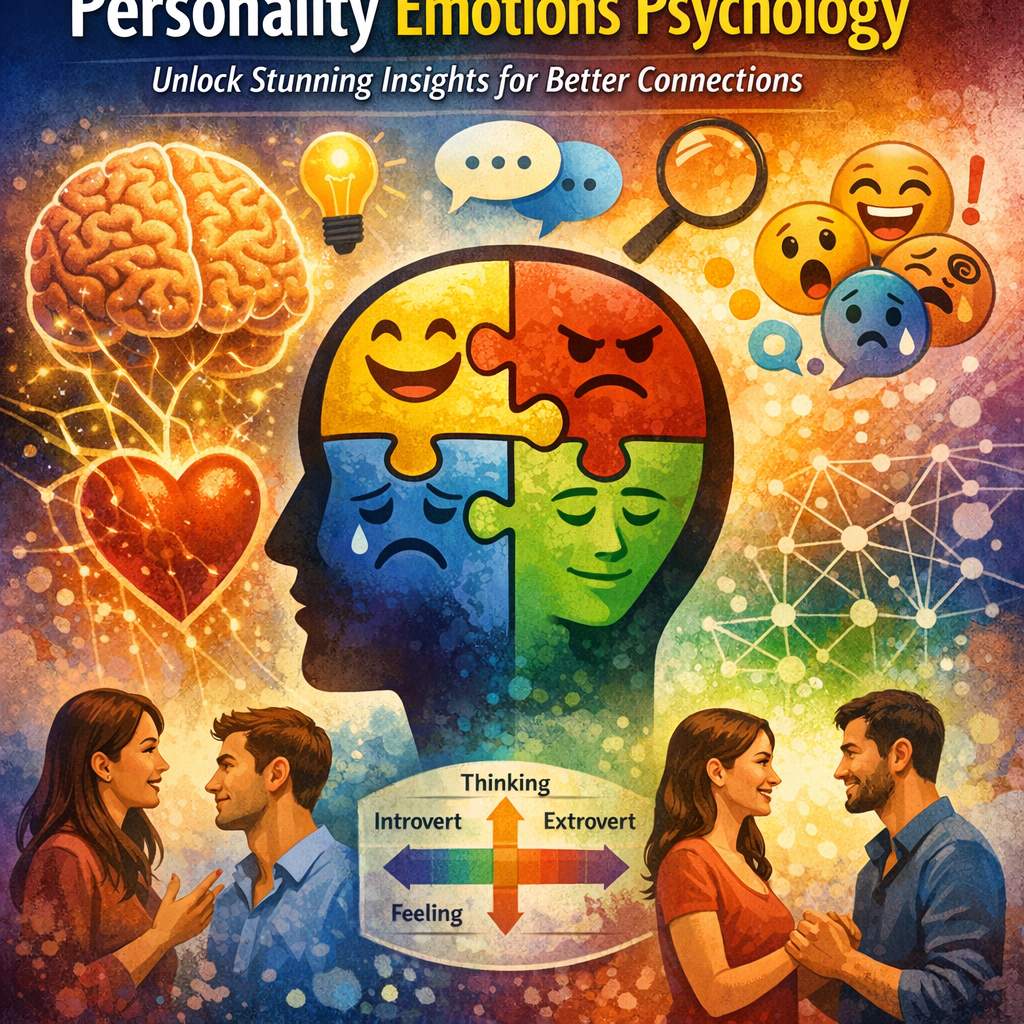
Personality refers to the distinctive patterns of thoughts, feelings, and behaviors that characterize an individual. It is shaped by a myriad of factors, including genetics, upbringing, and life experiences. Conversely, emotions are complex psychological states that include subjective experience, physiological response, and behavioral or expressive response.
When we talk about personality emotions psychology, we refer to the interplay between these foundational aspects of human nature. Understanding how emotions correlate with our personality traits can lead to a deeper comprehension of not only ourselves but also those we engage with daily.
The Role of Personality Traits
Psychologists often employ models like the Big Five personality traits—openness, conscientiousness, extraversion, agreeableness, and neuroticism—to assess individual differences. Each trait influences how we respond to situations, express emotions, and interpret others’ emotional cues.
1. Extraversion: Extraverted individuals tend to have a more expressive range of emotions. They usually thrive in social settings and may exhibit a tendency to take on leadership roles. Understanding this can aid in fostering connections with extroverted friends or colleagues, allowing for more meaningful interactions.
2. Agreeableness: High levels of agreeableness usually correlate with empathy and concern for others. When individuals with this trait interact, they may avoid conflict and prioritize harmony, making them excellent collaborators in team environments.
3. Neuroticism: On the other end of the spectrum, those with high neuroticism may often experience anxiety, mood swings, and emotional instability. Recognizing this trait in ourselves and others can help us approach situations with greater sensitivity and support.
How Emotions Affect Relationship Dynamics
Our emotional responses can significantly influence interpersonal relationships. For instance, someone who frequently feels overwhelmed by anxiety may struggle in social situations, potentially leading to misunderstandings or conflict. Conversely, a person who openly expresses joy and excitement can foster a positive atmosphere, drawing people closer.
Recognizing these emotional patterns rooted in personality traits enables us to interact more mindfully. Instead of reacting impulsively to a partner’s mood, for example, employing emotional intelligence— the ability to identify, understand, and manage emotions—can guide us in offering support without escalating tensions.
Building Stronger Connections Through Emotional Awareness
To nurture better connections, awareness is key. Understanding the principles behind personality emotions psychology allows us to engage more effectively with others. Here are some practical strategies:
1. Practice Active Listening: Paying close attention to both verbal and non-verbal cues helps us comprehend another’s feelings fully. This can lead to validation of their emotional experiences, fostering trust and openness.
2. Express Vulnerability: Sharing our emotions and vulnerabilities can enhance relational depth. It encourages others to reciprocate, forging a bond based on mutual understanding and respect.
3. Adapt Your Communication Style: Tailoring how we communicate based on someone’s personality can prevent misunderstandings. For instance, a direct, straightforward approach might work best with someone low in agreeableness, whereas a more gentle, empathetic style could resonate better with highly agreeable individuals.
Embracing Growth and Change
The journey into personality emotions psychology is not stagnant. Our personalities evolve as we encounter new experiences, environments, and relationships. By adopting a growth mindset, we remain open to understanding our emotional responses better and adapting our behaviors accordingly.
Engaging with self-reflection and seeking feedback from others can help map our emotional landscape. This continuous exploration enhances our emotional intelligence and equips us with tools to navigate complex social dynamics.
Conclusion: The Path to Deeper Connections
Incorporating insights from personality emotions psychology into our lives not only deepens self-awareness but also enhances our ability to connect with those around us. By embracing ourselves and others for who we are—traits, emotions, and all—we can foster authentic relationships characterized by compassion, understanding, and mutual respect.
Ultimately, the key to thriving connections lies in our willingness to unlock these stunning insights and put them into practice. So the next time you find yourself in a social interaction, remember: your understanding of personality, emotions, and psychology can lead to richer, more fulfilling relationships.