
Extrovert Personality Traits: Uncover the Best Benefits Today!
- What Does Being an Extrovert Mean?
- The Positive Aspects of Extrovert Personality Traits
- 1. Enhanced Social Connections
- 2. Natural Leaders
- 3. Greater Adaptability in Social Settings
- 4. Inspiring Positivity
- Conclusion: Embracing Extroverted Traits
Extrovert Personality Traits: Uncover the Best Benefits Today!
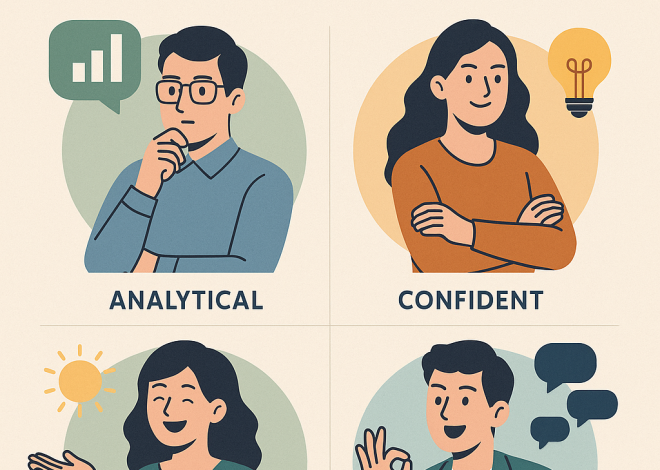
Extrovert personality traits are often celebrated, making them a focal point in discussions around social interaction and relationship-building. Individuals with extroverted traits tend to thrive in situations that allow them to engage with others, express their thoughts, and take center stage. Understanding these characteristics can reveal not only the essence of what it means to be extroverted but also the myriad benefits these traits can bring to various aspects of life.
What Does Being an Extrovert Mean?

To delve deeper into extrovert personality traits, it’s essential to first clarify what extroversion means. Extroverts are typically characterized by their sociability and enthusiasm for engaging with others. They often draw energy from social situations and prefer the company of people rather than solitude. This trait can manifest in various ways, including being talkative, assertive, and often finding joy in spontaneous interactions.
While introverts might recharge in solitude, extroverts tend to feel invigorated in communal settings. This key difference is fundamental in understanding the dynamics of social interactions, teamwork, and even workplace environments where diverse personality types can either complement or challenge one another.
The Positive Aspects of Extrovert Personality Traits
1. Enhanced Social Connections
One of the most significant benefits of extrovert personality traits is the ability to build social networks effortlessly. Extroverted individuals usually excel at making new friends and maintaining relationships. Their open demeanor encourages others to engage with them, creating a ripple effect of warmth and camaraderie.
These social skills can also enhance career prospects. In professions that require collaboration, creativity, or leadership, extroverts often shine, leveraging their ability to connect with colleagues to foster team spirit and innovation. This capacity for relationship-building not only enhances personal satisfaction but can also open doors to new opportunities.
2. Natural Leaders
Extroverts often emerge as natural leaders, a trait amplified by their assertiveness and clarity in communication. This leadership quality extends beyond formal positions; it can be seen in group settings where extroverts often take the initiative, organize activities, and motivate others.
Their confidence and outgoing nature help them articulate visions and rally support, making them influential figures in both personal and professional domains. In project settings, for instance, an extroverted team member can inspire enthusiasm, which can significantly improve team morale and productivity.
3. Greater Adaptability in Social Settings
Extroverts typically exhibit remarkable adaptability in social scenarios. They often feel comfortable in varying environments, whether it be a quiet coffee shop or a bustling conference. This flexibility allows them to thrive in diverse settings, enhancing their experiences and enabling them to connect with a broader range of people.
Moreover, extroverts generally possess a heightened awareness of social cues, enabling them to adjust their interactions according to the dynamics of the group. This skill can mitigate potential conflicts and enhance collaborative efforts, making extroverts invaluable in group projects and community events.
4. Inspiring Positivity
The upbeat attitude of many extroverts often radiates throughout their social circles. Their enthusiasm can be contagious, motivating people around them to embrace a positive outlook. Whether motivating a friend through a tough time or energizing a colleague during a stressful project, extroverts can uplift spirits and inspire resilience.
This penchant for positivity not only improves personal relationships but can also improve workplace environments. A cheerful and energetic team member contributes to a vibrant atmosphere, making the workplace a more enjoyable space for everyone.
Conclusion: Embracing Extroverted Traits
Embracing extrovert personality traits can lead to numerous benefits, enhancing personal and professional lives alike. From fostering deep social connections to inspiring leadership and positivity, the traits embodied by extroverts are invaluable.
Understanding the extrovert meaning in your own life or in the lives of others can also foster appreciation for diverse personality types. Each trait, extroverted or introverted, brings unique strengths that contribute to a rich tapestry of human interactions. Embracing these differences can lead to more productive collaborations, deeper friendships, and a more fulfilling life experience.
So, celebrate extroversion! Whether you are extroverted yourself or are nurturing relationships with extroverted individuals, recognizing the strengths these traits bring can help cultivate a dynamic, engaging, and enriched life.