Personality Psychology Basics: Unlock Stunning Insights for Self-Improvement
- Personality Psychology Basics: Unlock Stunning Insights for Self-Improvement
- The Origins of Personality Psychology
- Understanding Key Theories
- Assessing Your Personality
- Applying Insights for Self-Improvement
- Mindfully Shaping Your Environment
- Improving Interpersonal Relationships
- Embracing Lifelong Learning
- Cultivating Emotional Intelligence
- Conclusion
Personality Psychology Basics: Unlock Stunning Insights for Self-Improvement
Personality psychology basics lay the foundation for understanding ourselves and others. By delving into the core concepts of personality, we can gather insights that not only enhance our relationships but also pave the way for profound self-improvement. This article aims to explore the fundamental aspects of personality psychology and how they can be applied to foster personal growth.
The Origins of Personality Psychology
The field of personality psychology has evolved significantly over the years, with roots tracing back to ancient philosophies. Early thinkers like Socrates and Plato pondered the nature of the self and human motivations. However, it wasn’t until the 20th century that personality psychology began to formalize into a distinct area of study.
Pioneering psychologists such as Sigmund Freud introduced theories about the unconscious mind, while Carl Jung’s ideas about archetypes and personality types sparked further exploration. These foundational theories have influenced countless modern models used to assess and understand individual differences.
Understanding Key Theories
To grasp the basics of personality psychology, it helps to familiarize oneself with some key theories:
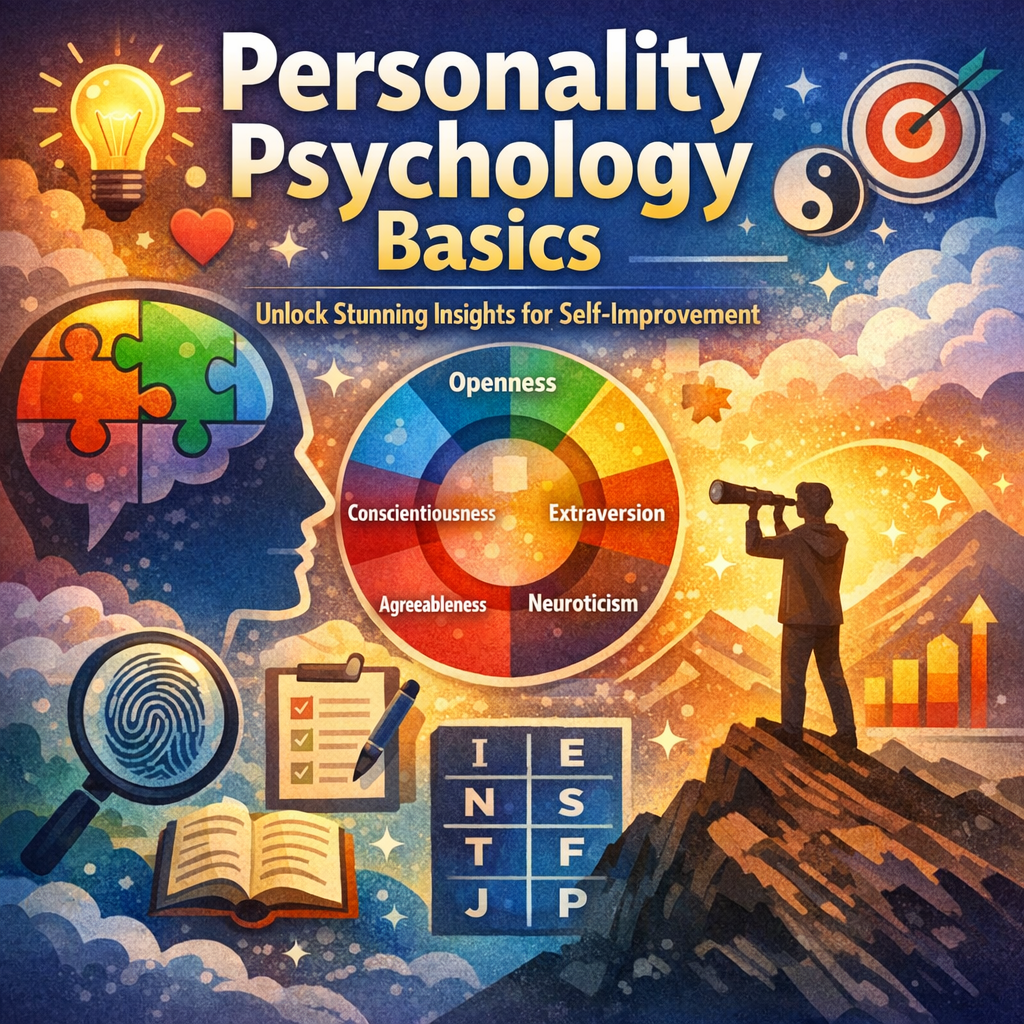
1. The Big Five Personality Traits: One of the most widely accepted models, the Big Five, breaks down personality into five core traits: Openness, Conscientiousness, Extraversion, Agreeableness, and Neuroticism (often abbreviated as OCEAN). Understanding where you fall on this spectrum can help identify strengths and areas for improvement.
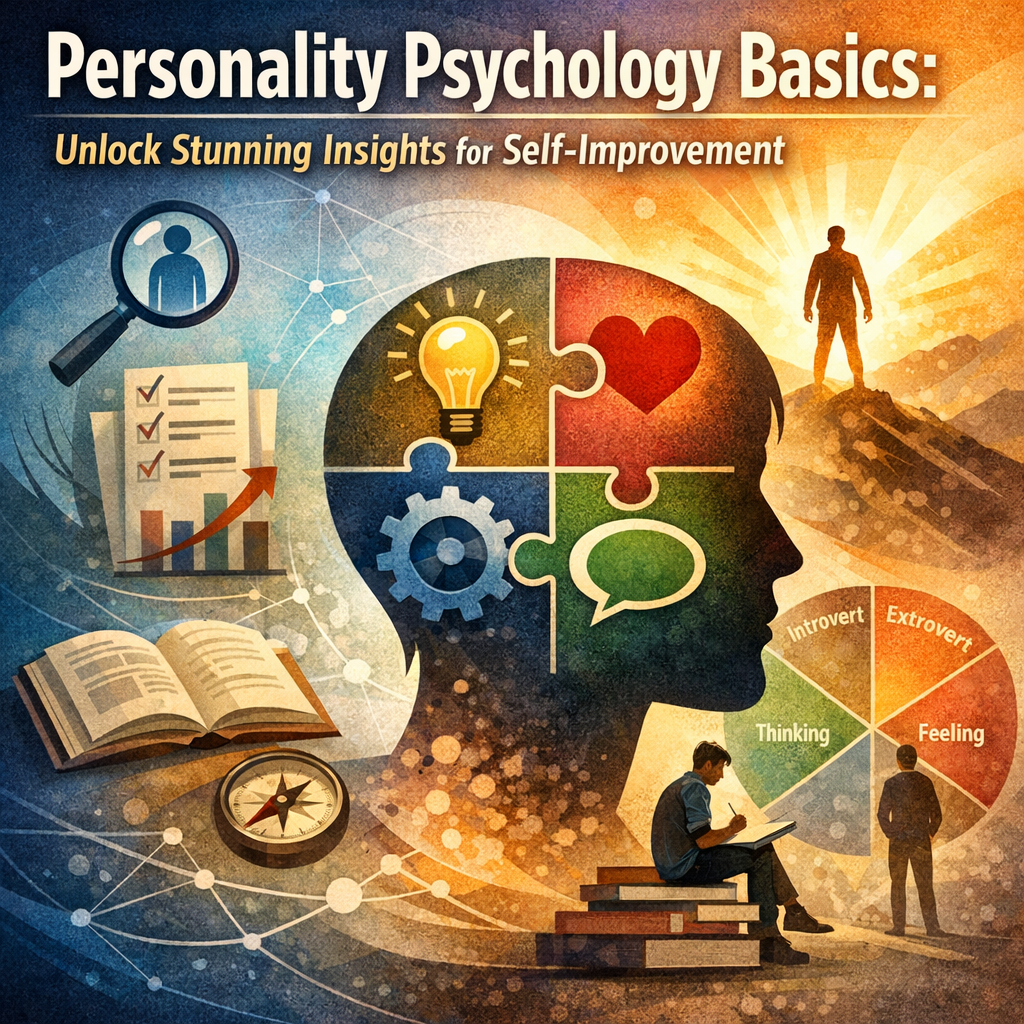
2. Myers-Briggs Type Indicator (MBTI): Based on Carl Jung’s theories, the MBTI categorizes individuals into 16 personality types using four dichotomies: Introversion/Extraversion, Sensing/Intuition, Thinking/Feeling, and Judging/Perceiving. Though it has faced criticism for its binary approach, many find it a useful tool for personal insight and team dynamics.
3. Freud’s Psychodynamic Theory: Freud’s model emphasizes the influence of the unconscious mind and childhood experiences on our behavior. While some aspects of his theory are outmoded, the idea that our past shapes our present remains relevant.
Assessing Your Personality
To apply personality psychology basics effectively, beginning with a self-assessment can be incredibly revealing. Various assessments are available online that measure the Big Five traits or identify your MBTI type. However, remember that these tests serve as starting points for self-exploration rather than definitive labels.
Reflect on your responses to the assessments. Consider journaling about how your personality traits manifest in daily life—your stress responses, relationship dynamics, and career preferences. This reflective practice can highlight areas where you might seek growth or adapt your behaviors.
Applying Insights for Self-Improvement
Understanding your personality traits is only the first step. The real power lies in using these insights to fuel self-improvement. Here are some practical applications:
Mindfully Shaping Your Environment
If you discover that you lean towards high levels of neuroticism, creating a calming environment can help reduce anxiety. Simple changes, like decluttering your space or integrating mindfulness practices, can foster emotional resilience.
Improving Interpersonal Relationships
Personality psychology basics teach us that everyone perceives and responds to the world differently. If you are more introverted, you might find social situations draining. Acknowledging this can help you communicate your needs better with friends or colleagues. On the flip side, understanding an extraverted partner’s desire for social interaction can help improve your relationship by finding a balance that suits both of you.
Embracing Lifelong Learning
Your personality traits might influence your learning preferences. Those high in openness may thrive in dynamic, creative environments, while those high in conscientiousness might excel in structured settings. Adopting a lifelong learning mindset can help you navigate these traits—actively seeking out experiences that push you beyond your comfort zone can foster growth.
Cultivating Emotional Intelligence
A significant aspect of personality psychology is the intersection with emotional intelligence (EI). Understanding your emotional responses and how they relate to your personality can enhance your ability to empathize and communicate effectively. Engaging in activities or courses that strengthen your EI—such as mindfulness, active listening, or conflict resolution—can lead to deeper connections both personally and professionally.
Conclusion
Personality psychology basics offer a structured framework for making sense of who we are and why we behave the way we do. By exploring key theories, assessing our traits, and applying this understanding to our lives, we unlock the potential for significant self-improvement. Embrace the journey of self-exploration; the insights gained are invaluable tools for personal and interpersonal growth.