
Character vs Personality Difference: Unlock Stunning Insights for Better Understanding
- Defining Character and Personality
- Key Differences Between Character and Personality
- 1. Foundations of Character and Personality
- 2. Stability vs Change
- 3. Measurement and Evaluation
- The Impact of Character and Personality on Relationships
- Building Stronger Connections
- Personal Growth and Development
- Conclusion
Character vs Personality Difference: Unlock Stunning Insights for Better Understanding
Understanding the character vs personality difference can significantly enhance our interactions and relationships with others. While many people often use these terms interchangeably, they represent distinct aspects of human behavior. Gaining clarity on these concepts contributes to improved self-awareness and better interpersonal dynamics.
Defining Character and Personality

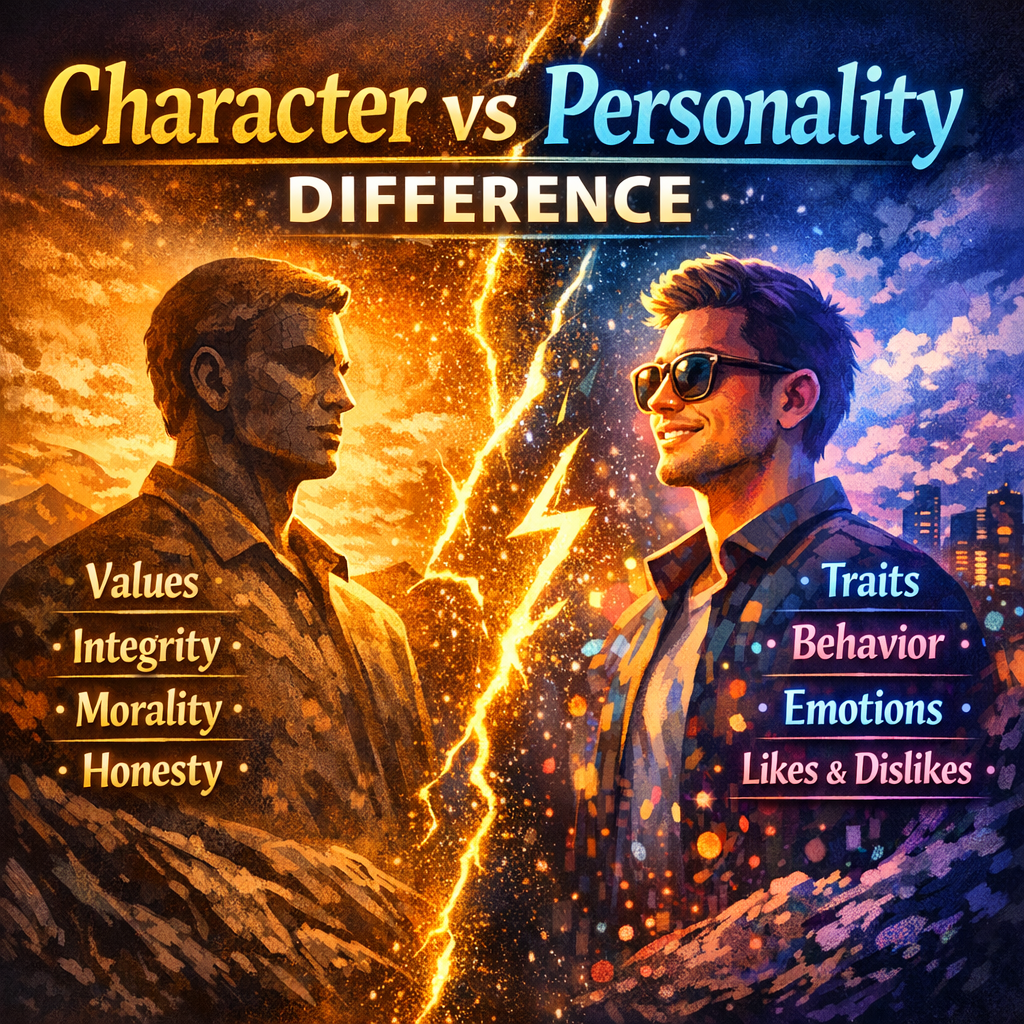
Character refers to the moral and ethical qualities ingrained in an individual. It shapes how we perceive right and wrong, influencing our decisions and actions. Character is often thought of as being aligned with values, integrity, and principles. For example, someone known for their honesty and generosity is exhibiting strong character traits.
On the other hand, personality encompasses the unique blend of emotional, social, and behavioral patterns that make an individual who they are. It includes aspects like temperament, traits, and habits. Personality is more about how we express ourselves and interact with the world around us. For instance, a person may be outgoing and cheerful, reflecting their personality traits.
Key Differences Between Character and Personality
1. Foundations of Character and Personality
The character vs personality difference starts at their foundations. Character is built over time through life experiences, values, and the choices we make. It often emerges from one’s upbringing, culture, and personal experiences. In contrast, personality is a combination of inherited traits and environmental influences that contribute to how we engage with others.
2. Stability vs Change
When discussing the character vs personality difference, it’s crucial to consider stability. Character tends to be more stable and enduring across time and situations. We may evolve and adapt our personalities based on circumstances, yet our core principles and ethical values generally remain constant.
For example, someone may become more extroverted or introverted in different phases of life due to external factors, but their core character traits, such as empathy or integrity, are likely to stay consistent.
3. Measurement and Evaluation
Another essential aspect of the character vs personality difference lies in how we evaluate them. Personality can often be assessed through psychological tests and frameworks, such as the Myers-Briggs Type Indicator or the Big Five personality traits. These assessments provide insights into behavior patterns and social interactions.
In contrast, evaluating character is more subjective and nuanced. We typically assess character through actions and choices rather than standardized tests. Attributes like kindness, courage, or commitment are observed rather than measured, making it a more personal and introspective evaluation.
The Impact of Character and Personality on Relationships
Understanding the character vs personality difference is not merely an academic exercise; it’s crucial for better relationships. Recognizing that someone may have a kind and generous personality but struggles with honesty highlights the need for deeper understanding. A person might be charismatic and fun to be around, yet their internal values may conflict with those qualities.
Building Stronger Connections
To achieve stronger relationships, both character and personality must be acknowledged. For instance, in a workplace environment, an employee may have an outgoing personality, making them approachable, but assessing their character through their work ethic and integrity reveals their dependability.
In friendships or partnerships, valuing someone’s character can lead to more meaningful connections. While enjoying personality traits like humor and charm, it’s the character that often determines the longevity and depth of relationships.
Personal Growth and Development
Understanding the differences between character and personality can also facilitate personal growth. By recognizing the elements of our character, we can work towards aligning our actions with our values and improving areas where we might fall short.
Personality traits can also be developed and enhanced over time. Engaging in new experiences, challenging oneself, and embracing change can allow for personal and emotional growth, leading to a well-rounded self.
Conclusion
Grasping the character vs personality difference offers profound insights for better understanding ourselves and others. While character encapsulates our moral and ethical essence, personality illustrates how we engage with the world. Both are essential in shaping our identities and influencing our relationships.
By appreciating these differences, we can cultivate deeper connections, foster personal evolution, and lead more meaningful lives. Engaging with both character and personality respectfully allows us to unlock the potential for richer interactions, helping us become not only better individuals but also better friends, partners, and colleagues.