Personality Psychology Basics: Uncover Effortless Insights into Human Behavior
- Personality Psychology Basics: Uncover Effortless Insights into Human Behavior
- What is Personality Psychology?
- The Big Five Personality Traits
- The Origins of Personality
- Personality Assessments
- Real-Life Applications of Personality Psychology
- Conclusion
Personality Psychology Basics: Uncover Effortless Insights into Human Behavior
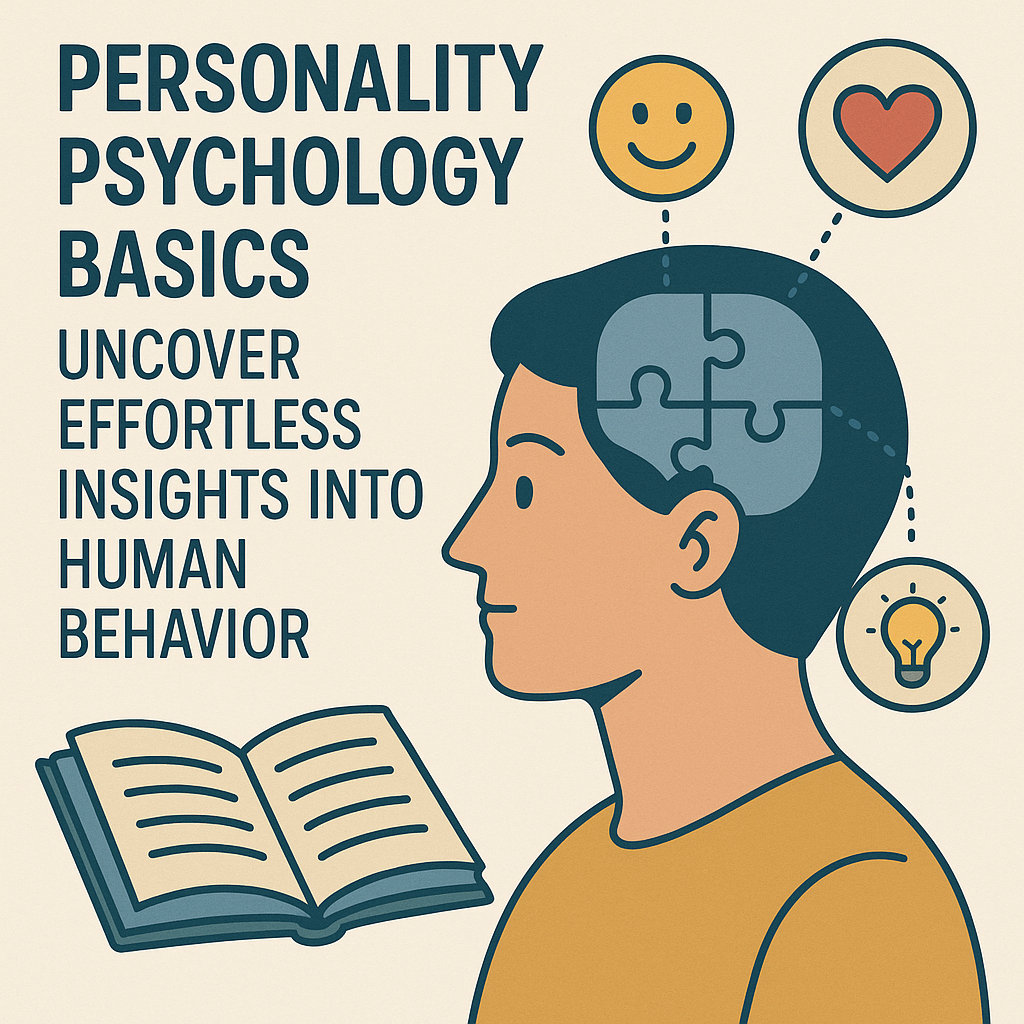
Personality psychology basics offer a fascinating glimpse into the intricacies of human behavior. By understanding the underlying principles of personality, we can better comprehend the motivations, emotions, and reactions that define us as individuals. In a world that often feels chaotic and unpredictable, grasping these foundational concepts can help simplify our interactions and foster better relationships.
What is Personality Psychology?
At its core, personality psychology is the scientific study of individual differences in behavior, emotion, and thought. This field seeks to understand how and why people differ from one another and what factors contribute to the development of different personality traits. By examining these characteristics and their origins, personality psychology sheds light on how they influence our everyday decisions and interactions.
The Big Five Personality Traits
One of the most widely accepted models in personality psychology is the Big Five personality traits, often referred to by the acronym OCEAN:
1. Openness to Experience: This trait reflects a person’s willingness to embrace new ideas, experiences, and creative endeavors. Individuals high in openness are often imaginative and curious.
2. Conscientiousness: This dimension measures how organized, disciplined, and achievement-oriented an individual is. People with high conscientiousness tend to be detail-oriented and responsible.
3. Extraversion: This trait encompasses sociability, assertiveness, and the tendency to seek out stimulation. Extravers are often energized by social interactions and feel comfortable taking the spotlight.
4. Agreeableness: This dimension assesses how compassionate, cooperative, and trusting an individual is. Those scoring high in agreeableness tend to prioritize social harmony and kindness.
5. Neuroticism: This trait reflects emotional stability and the propensity to experience negative emotions such as anxiety, anger, or depression. Individuals low in neuroticism typically feel more emotionally balanced and resilient.
Understanding these five core traits can provide effortless insights into human behavior by allowing us to categorize and predict how people might react in various situations.
The Origins of Personality
Exploring personality psychology basics also involves examining the origins of personality traits. Nature versus nurture is a longstanding debate in psychology. Traits are shaped both genetically and environmentally. Research has shown that while genetics can account for a significant portion of personality variance, life experiences, culture, and upbringing play crucial roles as well.
For instance, a child raised in a nurturing environment may develop traits like openness and agreeableness, while a different upbringing may lead to higher levels of neuroticism due to stress factors. This interplay between innate predispositions and life experiences highlights how complex and multifaceted our personalities are.
Personality Assessments
To delve deeper into personality psychology basics, one must also consider the tools used to assess personality traits. Common assessments include:
– The Myers-Briggs Type Indicator (MBTI): This instrument categorizes individuals into 16 personality types based on dimensions such as introversion/extraversion and sensing/intuition.
– The Minnesota Multiphasic Personality Inventory (MMPI): Primarily used in clinical settings, the MMPI assesses a range of psychological conditions and personality attributes.
– The 16 Personality Factor Questionnaire (16PF): This assessment focuses on normal personality traits and provides a comprehensive profile of an individual’s personality.
Each of these assessments can provide valuable insights into various aspects of personality, which is crucial for personal development, career choices, and understanding interpersonal dynamics.
Real-Life Applications of Personality Psychology
Understanding personality psychology basics holds practical implications in various areas of life, including:
– Workplace Dynamics: Knowledge of personality traits can enhance team dynamics, improve communication, and identify suitable roles for team members based on their strengths.
– Relationships: Understanding differing personality types can foster empathy and reduce conflicts, allowing for more meaningful connections.
– Self-Improvement: Gaining insights into our own personality can lead to better decision-making and personal development strategies that align with our strengths and weaknesses.
Conclusion
In summary, personality psychology basics provide an essential framework for understanding the diverse array of human behaviors and the underlying traits that drive them. By grasping these concepts, we can enhance our relationships, develop a greater self-awareness, and navigate life’s complexities with ease. As we continue to explore this captivating field, the insights gained will undoubtedly lead to richer, more fulfilling interactions both with ourselves and others.