Personality Emotions Psychology: Uncover Stunning Insights for Better Well-Being
- The Interplay Between Personality and Emotions
- Emotional Intelligence and Personality
- The Big Five Personality Traits
- Coping Mechanisms and Their Role in Well-Being
- The Path to Better Emotional Well-Being
- Conclusion
Personality Emotions Psychology: Uncover Stunning Insights for Better Well-Being
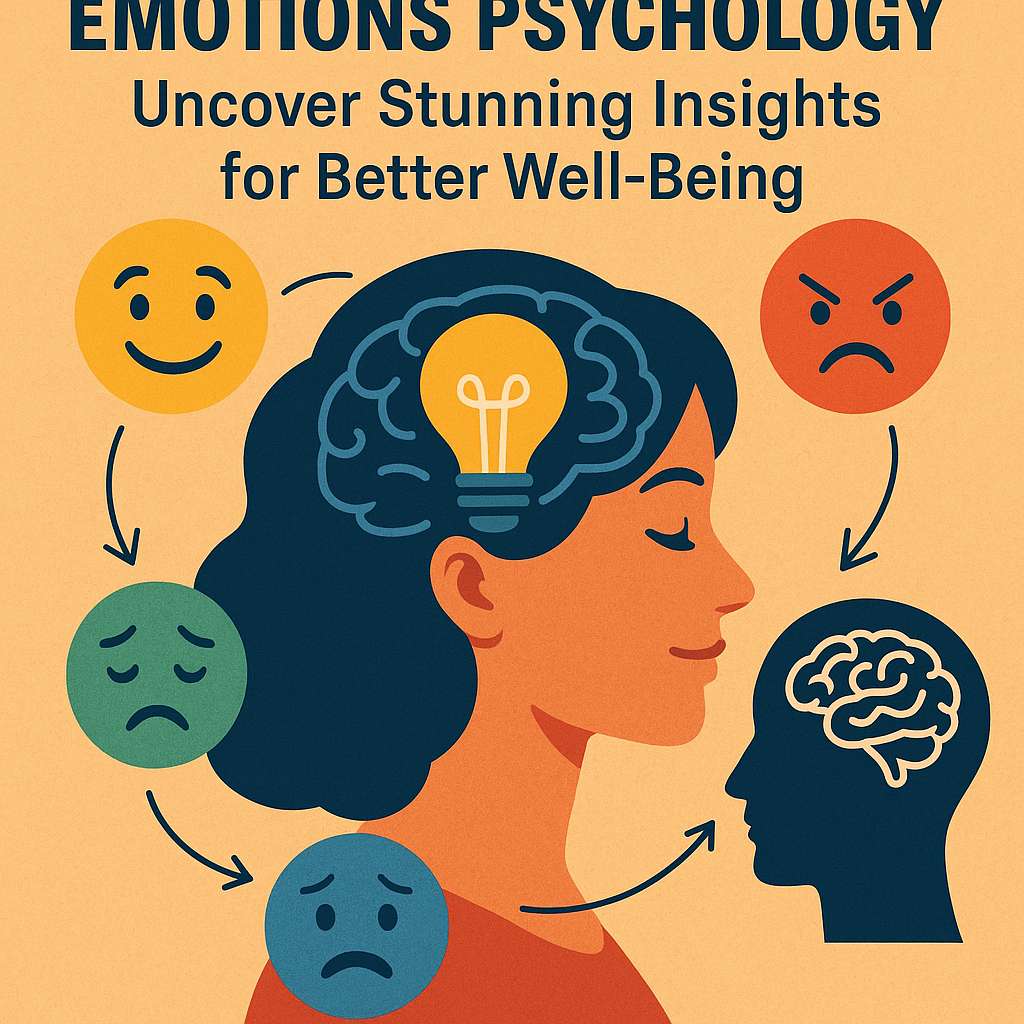
Personality emotions psychology delves into the intricate relationship between our emotions, personality traits, and overall mental well-being. Understanding this connection not only enhances our self-awareness but can also pave the way for better relationships, resilience in the face of challenges, and improved mental health. In this article, we will explore the dynamics of personality and emotions, their impact on our lives, and strategies to enhance emotional well-being.
The Interplay Between Personality and Emotions
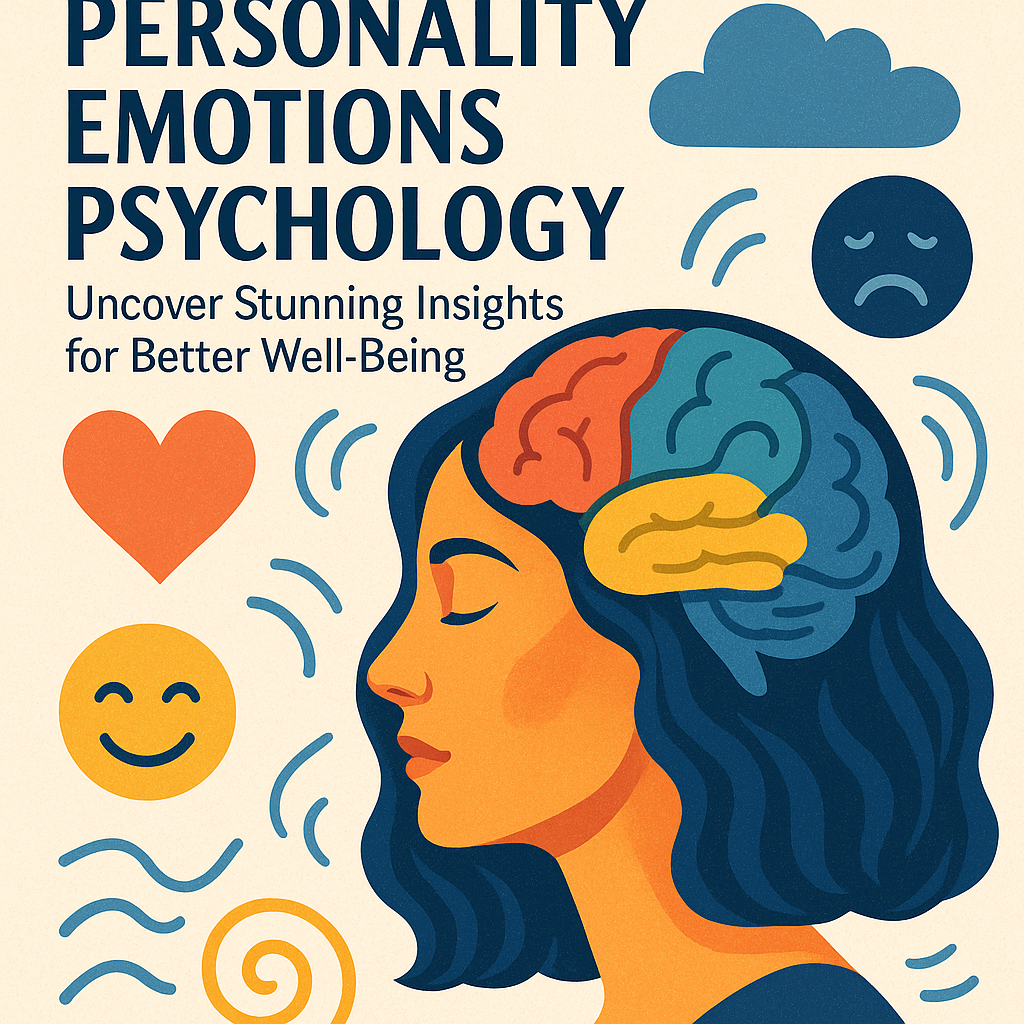
To fully grasp the significance of personality emotions psychology, it is crucial to first understand the defined roles of personality and emotions. Personality refers to the unique patterns of thoughts, feelings, and behaviors that persist over time, shaped by genetic, environmental, and social factors. Emotions, on the other hand, are complex psychological states that involve a physiological response, subjective experience, and behavioral or expressive response.
The interplay between personality and emotions is significant. Different personality types can influence how we experience, express, and regulate emotions. For instance:
– Extroverts often experience emotions more intensely and may express them more openly, lending themselves to social interactions that can amplify these feelings.
– Introverts, conversely, might internalize their emotions more, leading to a different emotional landscape and coping mechanism.
Understanding how different personality traits affect emotional experiences enables individuals to navigate their emotional worlds more effectively.
Emotional Intelligence and Personality
Emotional intelligence (EI) plays a vital role in personality emotions psychology. EI refers to the ability to recognize, understand, and manage one’s own emotions as well as those of others. Individuals who possess high levels of emotional intelligence can better navigate their feelings, empathize with others, and respond to social situations with greater skill.
The Big Five Personality Traits
One valuable framework in personality psychology is the Big Five personality traits, which includes:
1. Openness to Experience: Individuals high in openness are often more adaptable and willing to engage with new emotional experiences.
2. Conscientiousness: Those scoring high on this trait tend to be organized and have better control over their emotional responses, leading to effective emotion regulation.
3. Extraversion: As mentioned, extraverts experience and express emotions more readily, which can enhance social relationships but may also lead to over-exposure to emotional highs and lows.
4. Agreeableness: High agreeableness correlates with empathy and harmony-seeking behaviors, promoting emotional well-being in social contexts.
5. Neuroticism: This trait often leads to increased sensitivity to negative emotions, making it vital for individuals high in neuroticism to develop better coping mechanisms.
Understanding how these traits influence emotional experiences can help individuals work towards enhancing their emotional intelligence.
Coping Mechanisms and Their Role in Well-Being
Coping strategies play a central part in how our personalities affect emotional responses. By identifying and utilizing effective coping mechanisms, individuals can foster enhanced emotional well-being. Common coping strategies include:
– Problem-solving: Tackling issues head-on can provide a sense of control and reduce anxiety.
– Seeking Support: Connecting with friends or loved ones can buffer against emotional distress, especially for those who are more open to sharing feelings.
– Mindfulness: Practicing mindfulness techniques helps individuals observe their emotions without judgment, fostering healthier emotional regulation.
Knowing one’s personality traits can guide individuals in selecting the most appropriate coping mechanisms tailored to their unique emotional responses.
The Path to Better Emotional Well-Being
Improving emotional well-being through an understanding of personality emotions psychology requires a multifaceted approach:
1. Self-Reflection: Taking the time for introspection to understand personal emotional patterns and triggers leads to better self-regulation.
2. Cultivate Emotional Awareness: Being aware of one’s emotional state in real-time enhances the ability to respond rather than react.
3. Develop Emotional Resilience: Building a toolkit of coping strategies allows individuals to bounce back from setbacks more effectively.
When individuals engage with their emotions more constructively, they tend to cultivate healthier relationships, enjoy improved mental health, and achieve greater overall satisfaction in life.
Conclusion
Personality emotions psychology offers valuable insights into the intricate relationship between who we are and how we feel. By understanding the dynamics of personality traits and emotional responses, individuals can take actionable steps toward enhancing their emotional well-being. Embracing self-awareness, honing emotional intelligence, and employing effective coping strategies can transform one’s emotional landscape and contribute to a fulfilling life.