Character vs Personality Difference: Uncover the Stunning Truth Today!
- Character vs Personality Difference: Uncover the Stunning Truth
- What is Character?
- What is Personality?
- Key Differences Between Character and Personality
- Stability vs. Flexibility
- Moral Framework vs. Behavior Patterns
- Development Influences
- Why Knowing the Difference Matters
- Practical Applications
- Conclusion
Character vs Personality Difference: Uncover the Stunning Truth

Understanding the character vs personality difference is crucial in navigating social interactions and personal development. While the terms are often used interchangeably, they hold distinct meanings that impact how we perceive ourselves and others. This article aims to clarify these differences and shed light on their significance in everyday life.
What is Character?
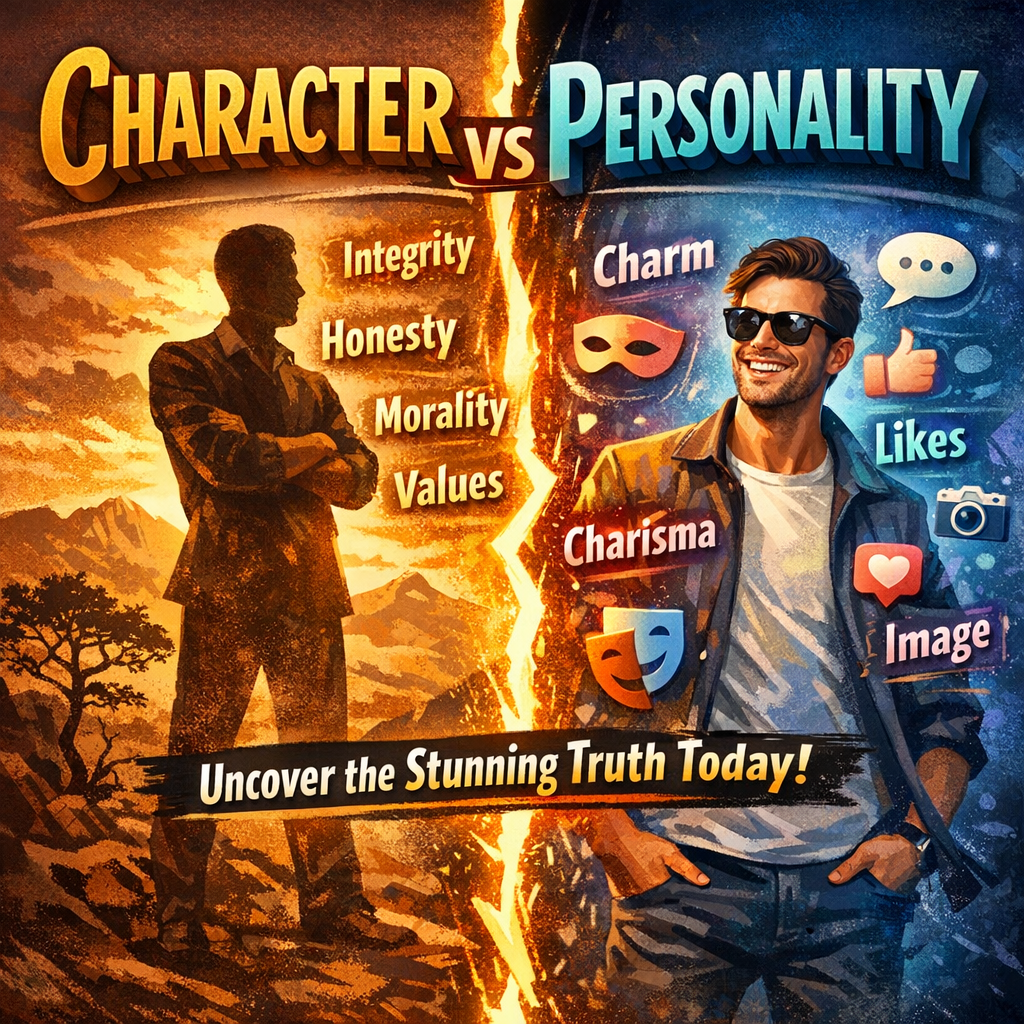
To grasp the character vs personality difference, it’s fundamental to define what character truly is. Character encompasses a set of moral and ethical values that guide an individual’s behavior. It includes traits such as honesty, integrity, kindness, and compassion. Character develops over time, influenced by experiences, upbringing, and choices. This internal compass shapes how a person reacts in different situations, often reflecting deeper values and beliefs.
For instance, a person with strong character may choose to help others in need, even at a personal cost. This might stem from a deeply-rooted sense of empathy and a belief in community support. The essence of character lies in its steadfast nature; it is relatively stable over time and not easily swayed by external factors.
What is Personality?
On the other hand, personality refers to the combination of traits and behaviors that make an individual unique. It includes aspects such as temperament, emotional responses, and how one interacts with others. Personality is more fluid than character; it can change with new experiences and environments. For example, an outgoing person might display different traits in a relaxed setting compared to a formal one.
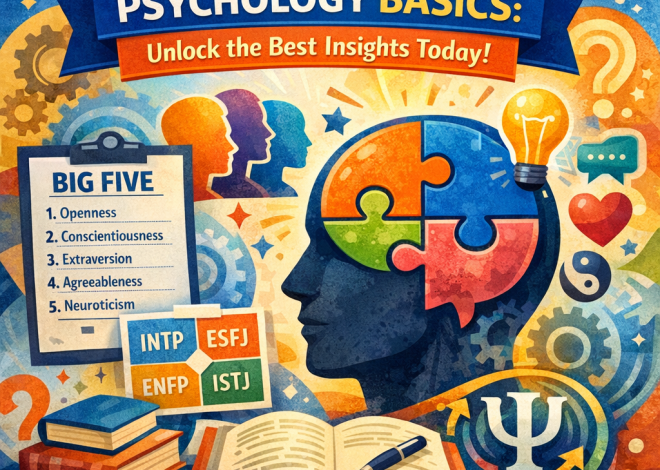
Personality traits can be broken down into several categories, including extroversion, agreeableness, conscientiousness, neuroticism, and openness to experience. These traits influence how people behave in social situations and how they communicate, but they don’t necessarily reveal moral or ethical inclinations.
Key Differences Between Character and Personality
Stability vs. Flexibility
One of the most significant distinctions when discussing character vs personality difference lies in their stability. Character tends to be consistent and rooted in one’s core ethics. In contrast, personality can be more adaptable, shifting in response to circumstances. For instance, someone may be outgoing in professional settings but more reserved in personal ones, showcasing the adaptable nature of personality.
Moral Framework vs. Behavior Patterns
Character revolves around a person’s moral framework and ethics. It answers the question of what is right and wrong for an individual. Personality, conversely, encompasses behavior patterns and how one interacts with the world. This means that while character can dictate the intention behind actions—driven by values—personality can influence how those actions manifest.
Development Influences
The development of character and personality also differs. A person’s character is often shaped by life experiences, cultural values, and individual choices. It is built over time through conscious decision-making. Personality, however, is influenced by both genetic factors and environmental exposure. This can include family dynamics, life experiences, and social interactions.
Why Knowing the Difference Matters
Understanding the character vs personality difference can enhance relationships and improve self-awareness. When we recognize that character is about principles and ethics, we can better assess the motivations of ourselves and others. This differentiation enables us to evaluate character more critically, leading to deeper understanding in personal and professional relationships.
In a workplace setting, for instance, a strong character may be essential for leadership roles where ethical decision-making is crucial. However, personality traits like adaptability and communication skills also play significant roles in how effectively one leads a team. Recognizing these differences can help individuals align their strengths with their roles, leading to more fulfilling careers.
Practical Applications
Knowing the distinction between character and personality can also benefit personal development. Individuals looking to enhance their character might focus on building virtues like resilience, empathy, and integrity. Workshops, reading self-help literature, and practicing mindfulness can serve as pathways to character development.
Simultaneously, those interested in understanding their personality can benefit from tools like personality assessments (e.g., MBTI, Big Five) to gain insights into their traits, facilitating growth in interpersonal skills and adaptability.
Conclusion
Delving into the character vs personality difference reveals profound insights about human behavior. While character encompasses our core ethics and values, personality reflects how we express ourselves in various situations. By understanding these concepts, we can foster better relationships, enhance self-awareness, and strive for personal growth. Embracing both elements allows for a more holistic view of ourselves and those around us.