
Different Personality Types Explained: Unlock Your Best Traits Today!
- Different Personality Types Explained: Unlock Your Best Traits Today!
- The Foundations of Personality Types
- Myers-Briggs Type Indicator (MBTI)
- The Big Five Personality Traits
- Unlocking Your Best Traits
- Self-Awareness
- Thriving in Relationships
- Professional Development
- Conclusion
Different Personality Types Explained: Unlock Your Best Traits Today!

Understanding different personality types can be a transformative journey, not only for self-awareness but also for enhancing relationships and productivity. Different personality types explained reveal the intricate layers that define human behavior, giving us valuable insights into our motivations, strengths, and areas for growth. Let’s delve into these personality types and discover how knowing them can help you unlock your best traits.
The Foundations of Personality Types
Personality encompasses a variety of characteristics that distinctly define individuals. Many psychological models classify these characteristics in different ways, with prominent theories including the Myers-Briggs Type Indicator (MBTI) and the Big Five Personality Traits. Each approach offers a unique perspective on human behavior.
Myers-Briggs Type Indicator (MBTI)
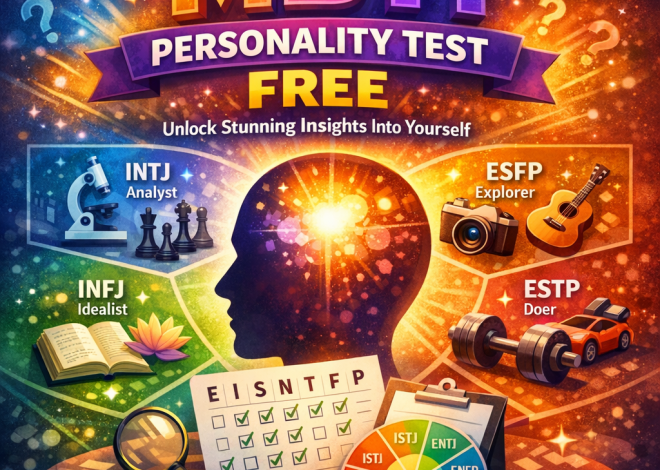
The MBTI categorizes personalities into 16 types based on four dichotomies:
1. Introversion (I) vs. Extraversion (E): This dimension assesses where you draw your energy from—whether from solitary activities or social interactions.
2. Sensing (S) vs. Intuition (N): This dichotomy examines how you process information, focusing either on concrete, tangible facts or abstract concepts.
3. Thinking (T) vs. Feeling (F): This axis measures decision-making processes, determining whether you rely more on logic or emotions.
4. Judging (J) vs. Perceiving (P): This dimension looks at how you approach structure, preferring planned and organized methods, or staying open to spontaneity.
By understanding how these components combine to form different personality types, you can identify your unique profile and the traits that come with it.
The Big Five Personality Traits
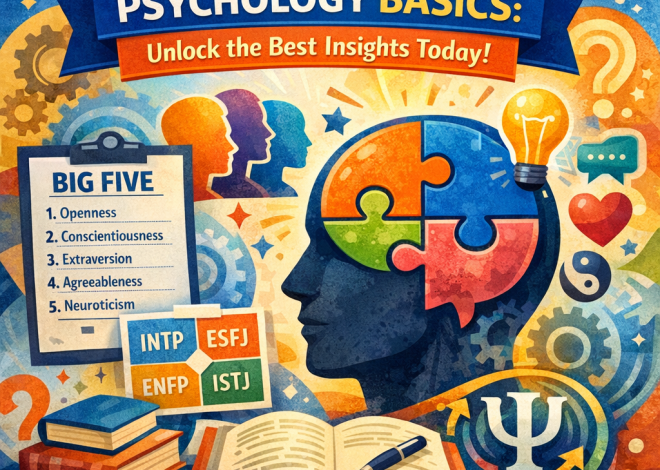
Another widely accepted model for understanding personality is the Big Five, which evaluates five core dimensions:
1. Openness: The degree to which you are open to new experiences and imaginative concepts.
2. Conscientiousness: This trait reflects your level of organization and dependability.
3. Extraversion: Similar to the MBTI, this dimension assesses your social engagement levels.
4. Agreeableness: This trait indicates how cooperative and compassionate you are towards others.
5. Neuroticism: This dimension measures emotional stability, highlighting how prone you are to experiencing negative emotions.
Understanding where you fall on each of these scales can illuminate your personality’s nuances and how you interact with the world around you.
Unlocking Your Best Traits
Now that we’ve explored the different personality types explained, how can you use this knowledge to unlock your strengths?
Self-Awareness
The first step involves developing self-awareness. Knowing your personality type helps you recognize your strengths, weaknesses, and how you may perceive situations. For instance, if you identify as a high conscientious individual, you may excel in structured environments but struggle with spontaneity. Leveraging this understanding can help you seek roles that align with your strengths.
Thriving in Relationships
Understanding personality types can also enhance your interpersonal relationships. If you are a highly agreeable person, you may find yourself easily accommodating others at the expense of your own needs. Recognizing this tendency allows you to set boundaries and communicate effectively with others.
Conversely, if you are more dominant in neuroticism, understanding this trait can help you navigate stress-inducing situations more smoothly by implementing coping mechanisms and seeking social support.
Professional Development
In a work environment, different personality types come into play in team dynamics. Knowing the personality types within your team can foster collaboration and productivity. For example, a combination of high extraversion and high openness can lead to out-of-the-box thinking, while high conscientiousness can provide the structure needed to execute ideas effectively.
To enhance your professional interactions, consider participating in team-building exercises that focus on understanding each other’s personalities. This can lead to more effective communication, reduced conflicts, and improved outcomes.
Conclusion
Different personality types explained open a gateway to self-discovery and personal development. By understanding the intricacies of your own personality and those of others, you can cultivate your strengths and address challenges more effectively. The journey of unlocking your best traits not only enriches your own life but also enhances the lives of those around you. So, take the first step today—explore your personality type and see how it can profoundly impact your relationships, career, and overall well-being.