Different Personality Types Explained: Uncover the Best Insights Today!
- Different Personality Types Explained: Discovering the Spectrum of Traits
- The Myers-Briggs Type Indicator: A Closer Look
- The Big Five Personality Traits: A Scientific Approach
- The Enneagram: A Holistic Perspective
- Conclusion: The Journey of Self-Discovery
Different Personality Types Explained: Discovering the Spectrum of Traits
Different personality types explained can offer profound insights into human behavior. Understanding these distinctions is crucial not only for personal growth but also for enhancing relationships, fostering better communication, and succeeding in the workplace. This article delves into various personality frameworks, including the Myers-Briggs Type Indicator (MBTI), the Big Five personality traits, and the Enneagram, to help you navigate the intricate tapestry of human personality.
The Myers-Briggs Type Indicator: A Closer Look
The Myers-Briggs Type Indicator is one of the most popular personality assessments, developed by Isabel Briggs Myers and her mother, Katharine Cook Briggs. It categorizes personalities into 16 distinct types based on four dichotomies:
1. Introversion (I) vs. Extraversion (E): This dimension explores where individuals primarily draw their energy from. Introverts often recharge by spending time alone, while extraverts thrive in social interactions.
2. Sensing (S) vs. Intuition (N): This axis assesses how people process information. Sensors focus on the present and tangible data, while intuitives consider the big picture and future possibilities.
3. Thinking (T) vs. Feeling (F): This dichotomy evaluates decision-making styles. Thinkers prioritize logic and objective criteria, whereas feelers weigh the emotional impacts on people.
4. Judging (J) vs. Perceiving (P): This dimension relates to how individuals approach structure. Judgers prefer a planned, organized lifestyle, while perceivers are more spontaneous and adaptable.
Understanding these categories lets individuals recognize their strengths and areas for growth, fostering better interactions with different personality types.
The Big Five Personality Traits: A Scientific Approach
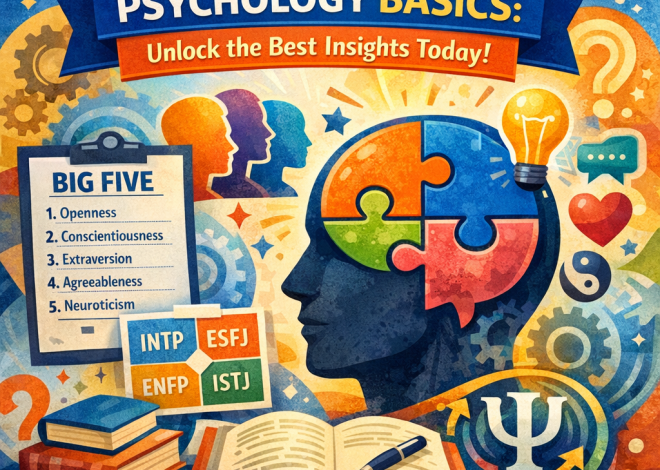
The Big Five personality theory, also known as the Five Factor Model (FFM), is grounded in psychological research and is widely regarded for its scientific rigor. It identifies five core dimensions:
1. Openness: This trait features creativity and a willingness to explore new experiences. Individuals high in openness are often more imaginative and open-minded.
2. Conscientiousness: This dimension reflects a person’s level of organization, dependability, and discipline. High scorers tend to be diligent, reliable, and goal-oriented.
3. Extraversion: Similar to the MBTI, extraversion in the Big Five focuses on sociability and enthusiasm. Extraverts often enjoy interaction and tend to be more assertive.
4. Agreeableness: This trait encompasses kindness, empathy, and cooperation. Those who score higher generally possess a more altruistic approach to others.
5. Neuroticism: This dimension gauges emotional stability and resilience under stress. Higher neuroticism indicates a propensity towards anxiety and emotional instability.
Research consistently shows that these traits are predictive of various life outcomes, from academic success to personal well-being. By understanding where you fall on each of these dimensions, you can gain valuable insights into your own personality and how to best harness your strengths.
The Enneagram: A Holistic Perspective
The Enneagram is a unique personality framework that categorizes individuals into nine interconnected types, each with its own fears, desires, and motivations. These types are often depicted in a circular diagram, illustrating how personality can evolve and change.
1. Type One: The Perfectionist – Driven by the desire for integrity and improvement, Ones can be critical and have high standards.
2. Type Two: The Helper – Focused on relationships and helping others, Twos often neglect their own needs.
3. Type Three: The Achiever – Goal-oriented and success-driven, Threes may equate their self-worth with achievements.
4. Type Four: The Individualist – Emphasizing identity and inner feelings, Fours can sometimes feel misunderstood.
5. Type Five: The Investigator – Inquisitive and analytical, Fives prefer solitude and deep understanding.
6. Type Six: The Loyalist – Loyal and reliable, Sixes often struggle with anxiety and seek security.
7. Type Seven: The Enthusiast – Adventurous and spontaneous, Sevens fear limitations and seek variety.
8. Type Eight: The Challenger – Assertive and confident, Eights value control and often challenge injustice.
9. Type Nine: The Peacemaker – Easygoing and accommodating, Nines often avoid conflict.
Each type offers unique insights into interpersonal dynamics and personal growth. By identifying your Enneagram type, you can discover avenues for growth and enhance your relationships with others.
Conclusion: The Journey of Self-Discovery
Understanding different personality types explained can be an invaluable journey, facilitating self-awareness that leads to meaningful interactions. Whether through the lens of the Myers-Briggs Type Indicator, the Big Five personality traits, or the Enneagram, individuals can gain insights that empower them to nurture their strengths and address weaknesses.
By integrating this knowledge into daily life, not only can one improve personal and professional relationships, but also cultivate a deeper understanding of oneself and others. This ongoing process of exploration and understanding creates not just better individuals, but a more harmonious world. As you embark on this journey, remember that the goal is not to fit into a box, but to embrace the wondrous complexity that defines us all.