
Discover Your Personality Type: Must-Have Insights for Self-Discovery
- The Importance of Understanding Your Personality
- Relationships and Communication
- How to Discover Your Personality Type
- Personality Tests
- Self-Reflection and Journaling
- Feedback from Others
- Applying Your Insights for Personal Growth
- Setting Goals Aligned with Your Type
- Enhancing Relationships
- Career Choices
- Final Thoughts
Discover Your Personality Type: Must-Have Insights for Self-Discovery
To discover your personality type can be one of the most transformative steps you can take in your journey toward self-awareness. Understanding who you are at your core can influence your relationships, career choices, and even personal growth strategies. With an array of personality assessments available today, uncovering your unique traits and tendencies has never been easier or more impactful.
The Importance of Understanding Your Personality
Understanding your personality type is not just a fun exercise; it holds significant value in various aspects of life. By comprehending your innate preferences, you can make informed decisions that align with your values and natural inclinations. For instance, knowing whether you thrive in social environments or prefer solitary activities can guide your choices in both personal and professional settings.
Relationships and Communication
One of the most profound impacts of discovering your personality type is on your relationships. Different personality types often have unique communication styles and emotional needs. By exploring your type, you can enhance your ability to relate to others. For example, if you identify as an introvert, you may need to express to your friends or partners that you value quiet time to recharge. On the other hand, extroverts often thrive on social stimulation and might benefit from creating environments that encourage interaction.
How to Discover Your Personality Type
There are several methods to uncover your personality type, ranging from formal assessments to more informal introspective techniques. Here are some of the most effective ways to explore your traits.
Personality Tests
Personality tests are a popular and structured way to discover your personality type. Tests like the Myers-Briggs Type Indicator (MBTI), the Big Five Personality Traits, and the Enneagram offer questionnaires that evaluate various aspects of your behavior and preferences. Each of these tests categorizes you into specific types based on your responses.
– Myers-Briggs Type Indicator (MBTI): This test divides personalities into 16 types derived from four dichotomies: Introversion/Extraversion, Sensing/Intuition, Thinking/Feeling, and Judging/Perceiving. It’s a great resource for understanding how you interact with the world.
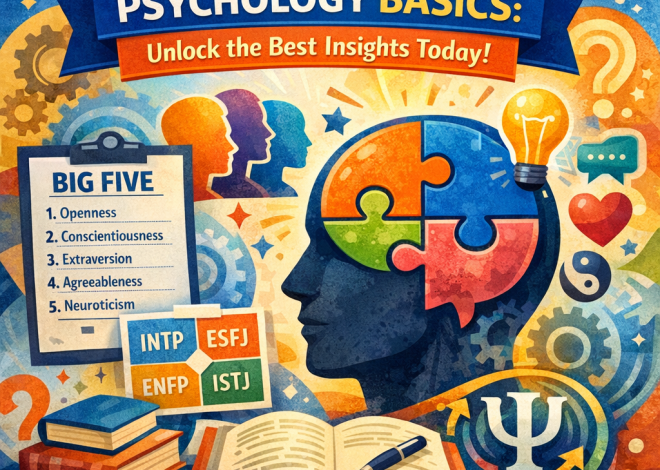
– The Big Five Personality Traits: This model assesses you based on five broad dimensions—Openness, Conscientiousness, Extraversion, Agreeableness, and Neuroticism. It provides a more nuanced view of personality attributes.
– The Enneagram: This tool categorizes personalities into nine types, each with its own set of challenges and strengths. It emphasizes growth by identifying unhealthy patterns and encouraging the development of healthier behaviors.
Self-Reflection and Journaling
Aside from formalized tests, self-reflection can be a powerful tool for discovering your personality type. Take time to journal about your likes, dislikes, motivations, and reactions in various situations. Ask yourself questions such as:
– How do I respond to stress?
– What activities make me feel fulfilled?
– What type of social interactions drain or energize me?
Reflecting on these questions can provide insights that align with various personality frameworks. Over time, patterns will emerge that illuminate your character.
Feedback from Others
Sometimes, our self-perception can be clouded by biases or blind spots. Seeking feedback from trusted friends, family, or colleagues can offer a different perspective on your personality traits. They may identify aspects of your behavior that you were unaware of or highlight your strengths, thus helping to solidify your understanding of who you are.
Applying Your Insights for Personal Growth
Once you have discovered your personality type, the real work begins. Understanding your traits can help you create personalized strategies for personal growth. Here are some actionable steps to consider:
Setting Goals Aligned with Your Type
Knowing your strengths and weaknesses allows you to set realistic and achievable goals. For example, if you are a Type 1 on the Enneagram (known as the Perfectionist), you might focus on cultivating self-compassion and learning to accept imperfections in yourself and others.
Enhancing Relationships
Utilize your newfound knowledge to nurture your relationships. If you are an INFP on the MBTI, you might need to work on open communication with those who are more extroverted, while ensuring that you also have time for introspection to recharge. This adjustment can lead to healthier dynamics.
Career Choices
Understanding your personality type can also guide career choices. Certain types may be drawn to creative roles, while others may excel in structured environments. By aligning your career path with your personality traits, you can enhance job satisfaction and performance.
Final Thoughts
To discover your personality type is not just about categorizing yourself; it is about engaging in an ongoing journey of self-discovery. By utilizing assessments, self-reflection, and external feedback, you can unveil the layers of your personality. This knowledge empowers you to navigate life more effectively, enhancing relationships, enriching your career, and promoting personal growth. Embrace this journey—your personality is a multifaceted treasure that can lead you to a more fulfilling life.