Human Personality Psychology: Unlock the Secrets to Stunning Self-Understanding
- The Foundations of Human Personality Psychology
- Key Theories in Human Personality Psychology
- Trait Theory
- Humanistic Psychology
- Social-Cognitive Theory
- Applying Human Personality Psychology in Daily Life
- Enhancing Self-Understanding
- Improving Relationships
- Encouraging Personal Growth
- Conclusion
Unlock the Secrets to Stunning Self-Understanding
Human personality psychology delves into the complexities of our thoughts, feelings, and behaviors. Understanding this branch of psychology can empower individuals to enhance their self-awareness and interpersonal relationships. It combines various theories and frameworks that explain why we act the way we do and how our personalities are formed. In this article, we will explore the fundamentals of human personality psychology, dive into different theories, and discuss practical application for achieving stunning self-understanding.
The Foundations of Human Personality Psychology

Human personality psychology is rooted in many disciplines, including biology, sociology, and anthropology. At its core, it examines the individual differences that shape our identities. Our personalities are influenced by genetic dispositions, environmental factors, and experiences throughout life. By understanding these elements, we can begin to appreciate the rich tapestry of human behaviour.
One of the first figures to systematically study personality was Sigmund Freud, who introduced the idea of the unconscious mind and its influence on our behaviour. Freud’s theories paved the way for various other approaches, including trait theory, humanistic psychology, and the social-cognitive perspective. Each of these frameworks offers unique insights into the construction of personality.
Key Theories in Human Personality Psychology
Trait Theory
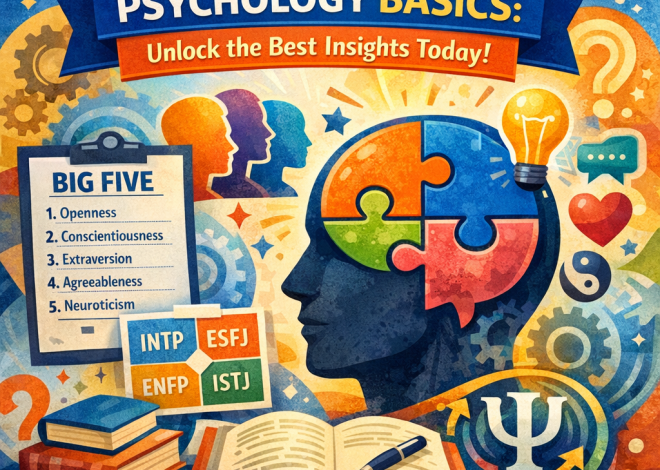
Trait theory suggests that personality is composed of various traits that individuals possess to different degrees. The most popular model in this area is the Five-Factor Model, often referred to as OCEAN:
– Openness: Creative and open to new experiences.
– Conscientiousness: Organized and dependable.
– Extraversion: Outgoing and sociable.
– Agreeableness: Cooperative and compassionate.
– Neuroticism: Prone to emotional instability.
These traits can help individuals understand their tendencies and how they relate to others, allowing for a more nuanced perspective on interpersonal dynamics.
Humanistic Psychology
Humanistic psychology, championed by figures like Carl Rogers and Abraham Maslow, emphasizes personal growth and self-actualization. The humanistic approach encourages individuals to explore their potential, focusing on self-concept and personal experiences. This perspective fosters a sense of self-worth, nurtures creativity, and encourages people to pursue their passions. Learning about oneself in a humanistic framework can be profoundly transformative, leading to higher satisfaction and fulfillment.
Social-Cognitive Theory
Social-cognitive theory posits that personality is shaped by interactions with the environment. Albert Bandura’s concept of reciprocal determinism illustrates that our behaviours are influenced by both personal and environmental factors. According to this theory, individuals can observe and learn from others, which shapes their personalities over time. Understanding these dynamics helps people recognize their ability to change negative habits and cultivate more positive behaviours.
Applying Human Personality Psychology in Daily Life
Enhancing Self-Understanding
The ultimate aim of studying human personality psychology is to unlock stunning self-understanding. By evaluating your personality traits, you can gain insight into your strengths and weaknesses. Self-assessment tools such as personality tests (e.g., the Myers-Briggs Type Indicator or the Enneagram) can facilitate this process.
These tools encourage reflection, prompting you to think about how your traits influence your thoughts, actions, and relationships. However, it’s crucial to approach them with an open mind and a willingness to improve.
Improving Relationships
Understanding personality types not only enhances self-awareness but also fosters better relationships. Knowledge about the traits and tendencies of others can help you navigate social situations more effectively. For example, if you identify someone as highly neurotic, you might approach them with greater sensitivity to their emotional state.
Using this understanding can reduce conflict, improve communication, and strengthen bonds. Whether in professional settings or personal relationships, the insights gained from human personality psychology can transform the way you interact with others.
Encouraging Personal Growth
Once you have a clearer understanding of yourself, you can set meaningful goals that align with your personality. If you are high in conscientiousness, you might excel in tasks requiring organization and planning. Conversely, if you are high in openness, you might thrive in creative pursuits that require thinking outside the box.
This alignment between personality traits and goals can boost motivation and lead to more significant accomplishments. Engaging with human personality psychology equips you with the tools to identify your passions and track your journey toward self-actualization.
Conclusion
Human personality psychology is a rich field that offers valuable insights into the complexities of human behaviour. By understanding our traits, the influences on our personalities, and the ways we interact, we can unlock stunning levels of self-awareness and personal growth. Whether your goal is to improve your relationships, enhance your self-understanding, or foster personal development, the principles of human personality psychology provide a solid foundation. Embrace this knowledge, and take the first step toward a deeper understanding of yourself and the world around you.