
Human Personality Psychology: Unlock Stunning Insights for Effortless Understanding
- Human Personality Psychology: Unlock Stunning Insights for Effortless Understanding
- The Foundations of Human Personality Psychology
- The Practical Applications of Personality Insights
- Enhancing Personal Relationships
- Improving Workplace Dynamics
- Personality and Its Influence on Behavior
- Continuous Growth and Self-Reflection
- Conclusion
Human Personality Psychology: Unlock Stunning Insights for Effortless Understanding
Human personality psychology serves as a fascinating lens through which we can explore the complex tapestry of individual differences among people. By delving into this field, we can uncover insights that enhance our understanding of ourselves and those around us, facilitating more meaningful interactions and relationships. From understanding the foundational theories to applying practical strategies, the study of personality holds the key to unlocking vital interpersonal dynamics.
The Foundations of Human Personality Psychology
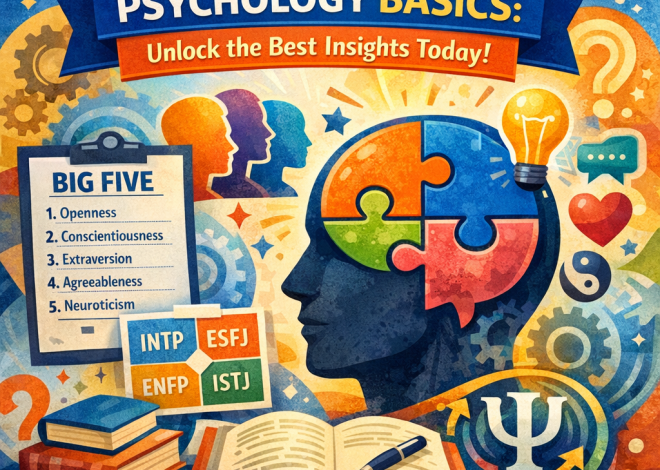
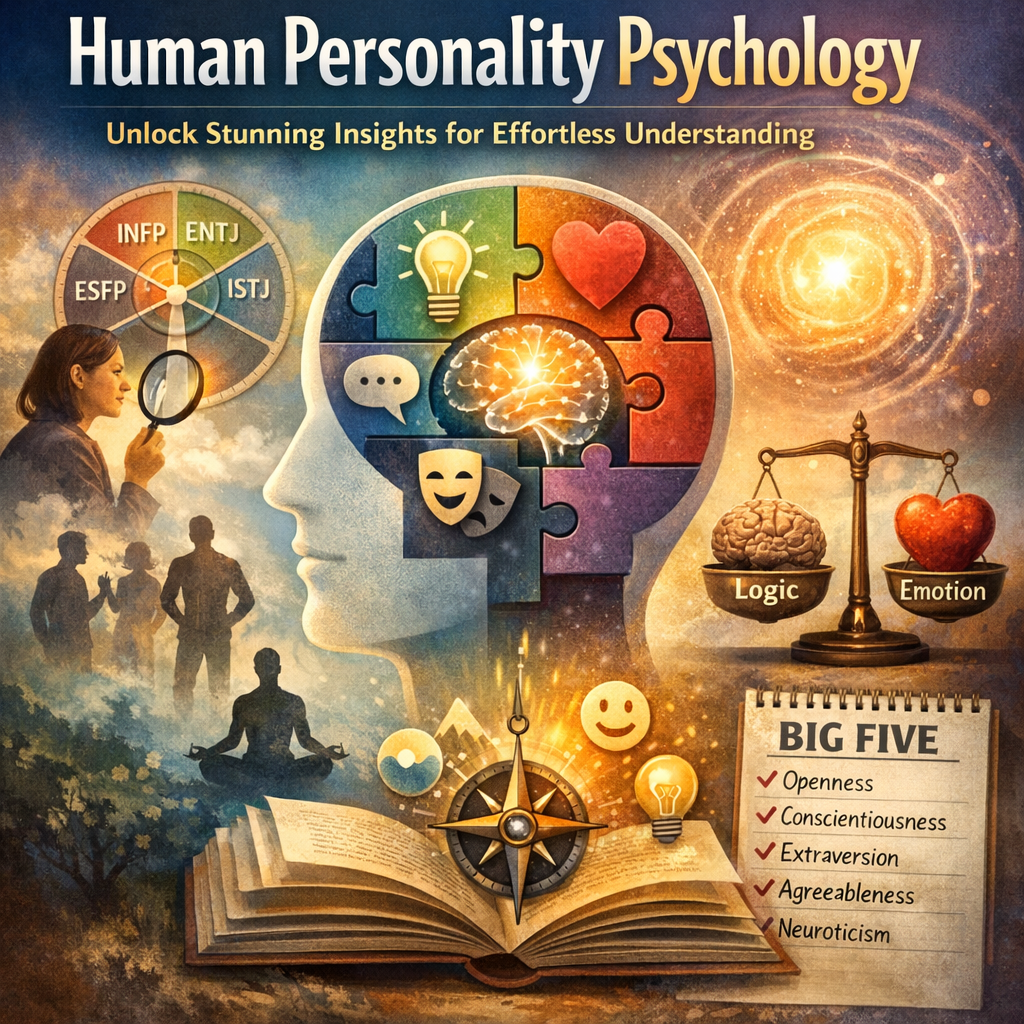
At the heart of human personality psychology lies the question: What makes us who we are? This discipline examines the various traits, behaviors, and mechanisms that shape human beings. Key theories, including the Five Factor Model (FFM), commonly known as the Big Five, categorize personality into five broad dimensions: openness, conscientiousness, extraversion, agreeableness, and neuroticism.
1. Openness refers to a person’s openness to experiences and novel ideas. Individuals high in this trait are often more creative and adventurous.
2. Conscientiousness relates to organization and dependability. A conscientious person typically shows a strong sense of duty and discipline.
3. Extraversion measures sociability and energy levels. Extraverted individuals tend to seek social interaction and are often perceived as friendly and enthusiastic.
4. Agreeableness captures attributes like empathy, kindness, and cooperativeness. Those scoring high in this trait often prioritize social harmony.
5. Neuroticism reflects emotional stability or instability. High scores indicate susceptibility to stress and anxiety.
By studying these dimensions, we can better appreciate the rich variety in human behavior and understand the emotional responses that accompany our interactions with others.
The Practical Applications of Personality Insights
Understanding human personality psychology is not just an academic pursuit; it has practical applications in various aspects of life, including personal relationships, workplace dynamics, and even parenting styles.
Enhancing Personal Relationships
When individuals grasp the differing personality traits of their friends or partners, they can navigate conflicts more effectively. For example, a person high in agreeableness may need to approach a less agreeable partner with sensitivity to avoid miscommunication. Recognizing these traits allows for tailored approaches in resolving conflicts, fostering a more harmonious environment.
Moreover, this understanding can improve empathy. By acknowledging that others may react differently due to their personality traits, we can cultivate compassion in our daily interactions. This is particularly beneficial in romantic relationships, where understanding each other’s personality can lead to deeper emotional connections.
Improving Workplace Dynamics
In a professional setting, human personality psychology plays a crucial role in team composition and leadership styles. Teams composed of complementary personalities often outperform those with homogeneous traits. For instance, a mix of highly conscientious individuals with creative thinkers can lead to innovative solutions and efficient execution of tasks.
Furthermore, leaders who understand personality dynamics among their team members can tailor their management style to suit various personalities. Recognizing a team member’s preference for working independently versus collaboratively can greatly enhance productivity and job satisfaction.
Personality and Its Influence on Behavior
Human personality psychology elucidates the relationship between personality traits and behavior. For instance, people with high levels of openness may be more willing to embrace change and innovation, while those with high neuroticism may struggle with it. Recognizing these tendencies allows individuals and organizations to approach challenges with strategies that factor in personality-related behavioral patterns.
This insight is particularly valuable during transitional phases, such as in educational settings or during corporate restructuring. By aligning tasks and responsibilities with individuals’ personality traits, leaders and educators can enhance both engagement and performance.
Continuous Growth and Self-Reflection
An essential aspect of human personality psychology is the idea that personality can evolve over time. While certain traits remain relatively stable, life experiences can shape and modify our personality. Engaging in self-reflection, seeking feedback from peers, and embracing new experiences can all contribute to personal growth.
Individuals interested in enhancing their own well-being and interpersonal relationships can benefit from tools such as personality assessments and reflective practices. These resources can aid in identifying areas for growth and strategies for improving both personal and professional relationships.
Conclusion
Human personality psychology unlocks stunning insights that allow for a deeper understanding of ourselves and those we engage with. As we learn to appreciate the diverse traits that color human interactions, we enhance our ability to navigate the complexities of relationships. By applying these insights in our daily lives, we not only gain a clearer view of our individuality but also foster a more compassionate and understanding society. Whether in personal or professional spaces, the principles of personality psychology can lead to more fulfilling and effective interactions.