
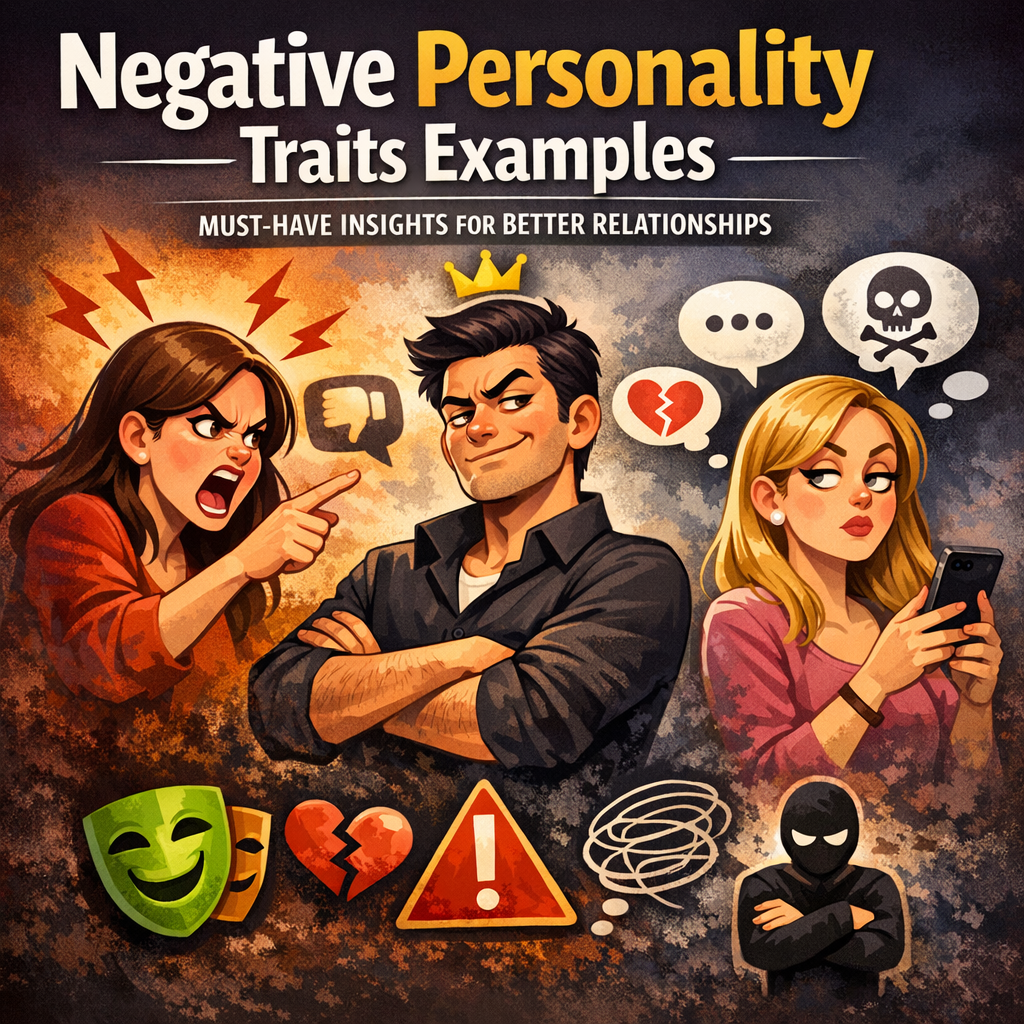
Negative Personality Traits Examples: Must-Have Insights for Better Relationships
- Understanding Negative Personality Traits
- Common Negative Personality Traits Examples
- How to Address Negative Personality Traits
- Self-Awareness and Reflection
- Communication Skills Development
- Seeking Professional Help
- Practical Tips for Building Healthier Relationships
- Conclusion
Negative Personality Traits Examples: Must-Have Insights for Better Relationships
Negative personality traits examples are essential for understanding how certain behaviors can impact our relationships. Recognizing these traits not only helps in personal development but also fosters healthier interactions with others. In this article, we will explore various examples of negative personality traits, how they manifest in daily life, and offer insights on mitigating their effects.
Understanding Negative Personality Traits
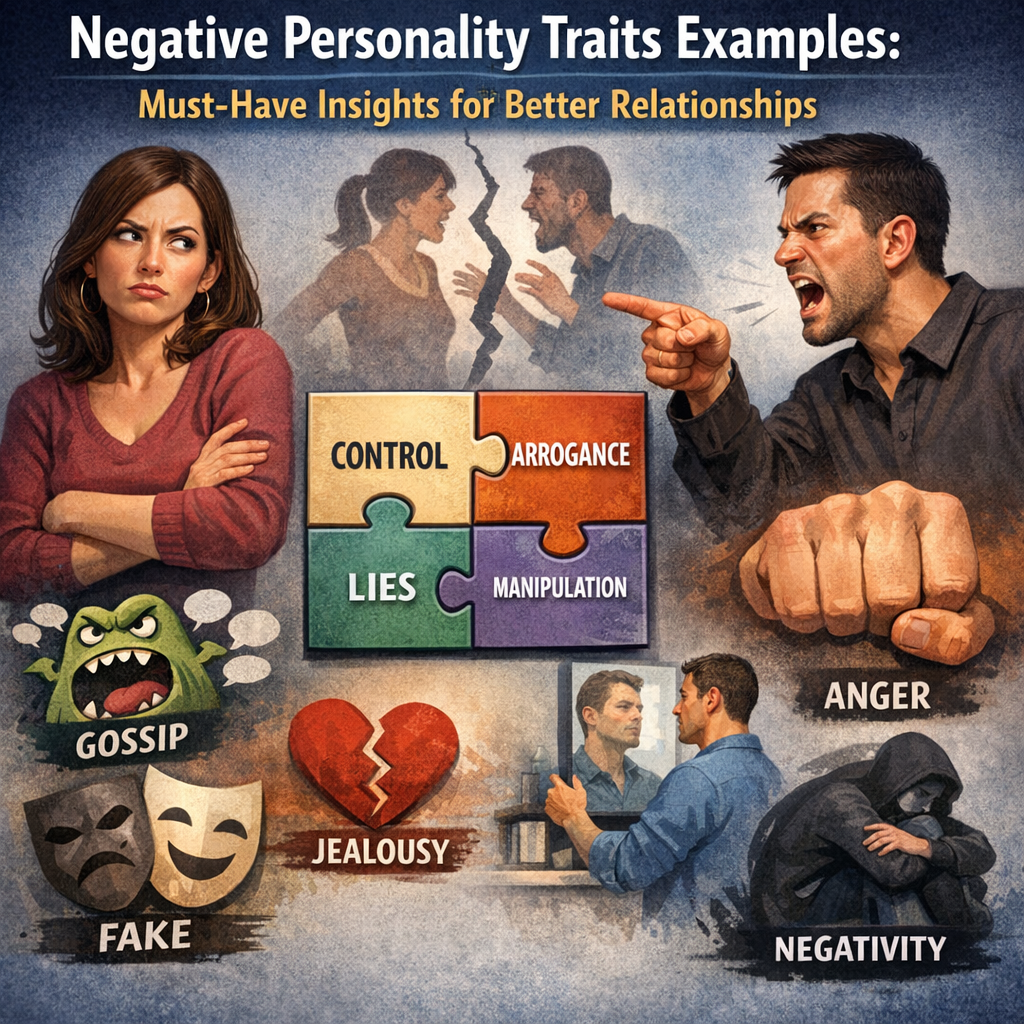
Negative personality traits are characteristics that can negatively influence interactions and relationships. These traits often stem from underlying issues such as insecurities, fears, or past experiences, which can hinder communication and cooperation. Recognizing and addressing these traits is crucial for anyone looking to improve their relationships, whether they’re familial, platonic, or romantic.
Common Negative Personality Traits Examples
1. Narcissism: One of the most recognized negative traits, narcissism is characterized by an excessive need for admiration and a lack of empathy for others. Individuals displaying this trait often dominate conversations, show little interest in others’ feelings, and may perceive feedback as a personal attack. This can lead to frustration and resentment among friends and family.
2. Manipulativeness: People with manipulative tendencies often weave intricate webs of deceit to control or influence others. They may use guilt, flattery, or intimidation to achieve their goals. Recognizing manipulative behavior is imperative to safeguard oneself and maintain constructive relationships.
3. Pessimism: A chronic negative outlook can be draining for those around you. Pessimists often focus on the negative aspects of situations, which can dampen spirits and decrease motivation in group settings. Surrounding oneself with a constantly pessimistic individual can lead to feelings of hopelessness and frustration among peers.
4. Perfectionism: While striving for excellence can be desirable, extreme perfectionism may lead to anxiety and disappointment. Those who exhibit this trait often set unattainably high standards for themselves and others, making it difficult for relationships to flourish. This relentless pursuit of perfection can create a toxic atmosphere, leading to feelings of inadequacy in those around them.
5. Disrespectfulness: Disrespect can manifest in various ways, such as dismissive gestures, condescending remarks, or a lack of appreciation for others’ opinions. This trait not only alienates the person exhibiting it but also creates a toxic environment for everyone involved, straining relationships to the breaking point.
How to Address Negative Personality Traits
Understanding negative personality traits examples is just the first step; addressing them is where transformation truly begins. Here are some strategies for managing these behaviors:
Self-Awareness and Reflection
The journey to change begins with self-awareness. Individuals should take time to reflect on their behavior and its impact on others. Journaling or discussing experiences with a trusted friend or therapist can provide valuable perspectives. Recognizing when one falls into a negative pattern is crucial for initiating change.
Communication Skills Development
Healthy communication is vital for any relationship. Learning to express feelings and opinions honestly while remaining open to feedback can prevent misunderstandings. Practicing active listening—where one fully engages with what others are saying—can build empathy and strengthen bonds.
Seeking Professional Help
Sometimes, negative traits arise from deeper issues requiring professional assistance. Therapy offers valuable tools to navigate these challenges, allowing individuals to address their motivations and reshape their behavior. Engaging in therapeutic processes can provide lasting benefits for both personal development and relationships.
Practical Tips for Building Healthier Relationships
Improving relationships requires a proactive approach. Here are some tips to build healthier dynamics despite the presence of negative traits:
1. Set Boundaries: When dealing with someone exhibiting negative traits, setting clear boundaries is essential. This ensures that both parties maintain respect and understanding, reducing the likelihood of negative interactions.
2. Encourage Positive Behavior: Reinforcing and acknowledging positive behaviors can motivate individuals to change. Complimenting a friend when they handle a situation well can foster a more encouraging atmosphere.
3. Practice Patience: Change takes time. Understanding that everyone has flaws, including ourselves, can allow for more compassion in relationships. Observing gradual progress rather than expecting immediate transformation can help maintain positivity.
Conclusion
Negative personality traits examples highlight the complexities of human behavior and relationships. By recognizing these traits and committing to personal growth, we can cultivate healthier, more satisfying connections. Through increased self-awareness, improved communication skills, and a willingness to seek help, anyone can work towards reducing negative traits and enhancing their interpersonal relationships. Engaging with this journey not only benefits oneself but enriches the lives of those around us, creating a more harmonious and understanding world.