
Personality Analysis Methods: Discover Stunning Techniques for Accurate Insights
- The Importance of Personality Analysis
- Traditional Personality Tests: The Classic Approach
- Myers-Briggs Type Indicator (MBTI)
- Big Five Personality Traits
- Projective Techniques: Unconscious Insights
- Rorschach Inkblot Test
- Behavioral Analysis: Observing Actions
- The DISC Model
- Biometric Methods: Tracking the Unseen
- Facial Expression Analysis
- Integrating Methods for Comprehensive Insights
- Conclusion: The Quest for Self-Discovery
Personality Analysis Methods: Discover Stunning Techniques for Accurate Insights
When it comes to understanding ourselves and others, personality analysis methods play a crucial role. These techniques offer a window into the human psyche, helping us decipher behaviors, predict interactions, and enhance personal and professional relationships. But with a myriad of approaches available, how can one navigate the world of personality analysis to find the most practical and insightful methods?
The Importance of Personality Analysis
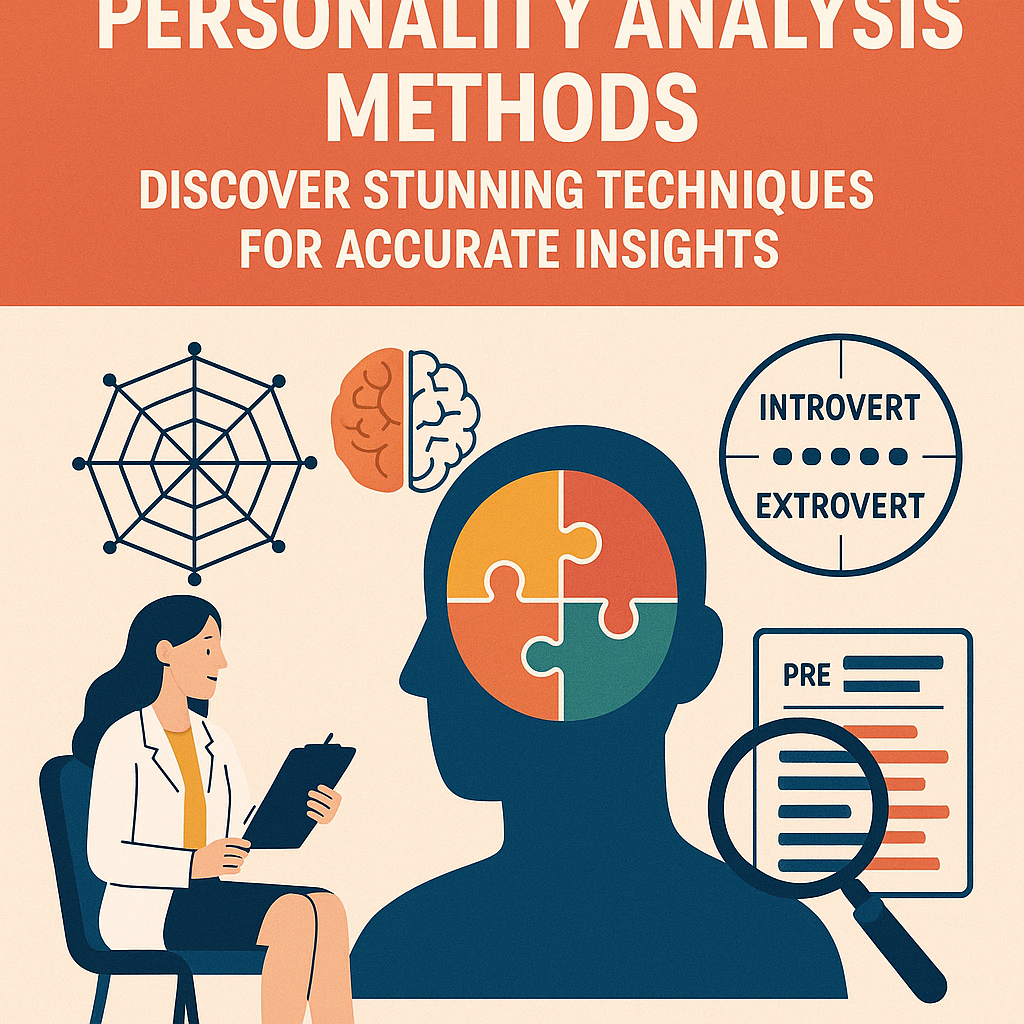
Understanding personality is more than an academic exercise; it facilitates better communication, conflict resolution, and teamwork. In workplace settings, employers often use personality analysis methods to gauge potential employees’ compatibility with company culture and ensure team dynamics function optimally. Beyond work, these methods can foster self-awareness and personal development, influencing our relationships with loved ones and friends.
Traditional Personality Tests: The Classic Approach
One of the most widely recognized personality analysis methods is the use of standardized personality tests. Tools like the Myers-Briggs Type Indicator (MBTI) and the Big Five Personality Traits model have stood the test of time, providing structured frameworks for understanding personality types.
Myers-Briggs Type Indicator (MBTI)
The MBTI sorts people into 16 distinct personality types based on their preferences in four binary categories: Introversion vs. Extraversion, Sensing vs. Intuition, Thinking vs. Feeling, and Judging vs. Perceiving. By identifying an individual’s type, the MBTI can highlight possible career paths, interpersonal relationships, and even personal growth areas.
Big Five Personality Traits
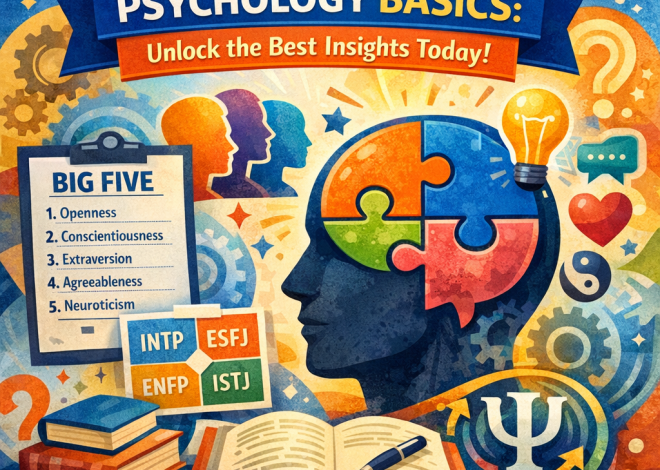
Unlike the MBTI, which categorizes into distinct types, the Big Five breaks personality down into five continuous traits: Openness, Conscientiousness, Extraversion, Agreeableness, and Neuroticism. This approach is particularly favored in psychological research due to its empirical grounding and applicability across cultures.
Projective Techniques: Unconscious Insights
For deeper insights that tap into the unconscious mind, projective techniques are fascinating personality analysis methods. These involve presenting ambiguous stimuli—such as inkblots or storytelling prompts—and interpreting the responses. The most famous of these is the Rorschach Inkblot Test.
Rorschach Inkblot Test
Developed by Hermann Rorschach, this test is designed to reveal hidden emotions and internal conflicts. By analyzing a person’s responses to inkblots, psychologists can gain insights into how they perceive the world and what conflicts may exist beneath the surface. While some criticize this method for its subjectivity, it remains a valuable tool in clinical psychology.
Behavioral Analysis: Observing Actions
Personality is often reflected in behavior, making behavioral analysis a critical method in understanding psychological profiles. This involves observing an individual’s behavior in various contexts and over time to draw conclusions about their personality traits.
The DISC Model
The DISC model offers another robust framework for behavioral analysis, categorizing behavior based on four primary traits: Dominance, Influence, Steadiness, and Conscientiousness. This method excels in corporate environments, offering managers insights into team member dynamics and communication styles.
Biometric Methods: Tracking the Unseen
Advancements in technology have led to newer personality analysis methods that utilize biometric data. Techniques such as facial expression analysis and voice stress analysis have gained traction in recent years.
Facial Expression Analysis
This method involves using software to analyze facial expressions during interactions. Research has shown that micro-expressions can often reveal true emotions that individuals may be attempting to conceal. By identifying these subtle cues, one can gain a nuanced understanding of a person’s feelings and reactions.
Integrating Methods for Comprehensive Insights
While each personality analysis method has its strengths and weaknesses, combining them can provide a more holistic view of an individual’s personality. For instance, corroborating the findings of a standardized test with insights gained from behavioral observation can lead to a more nuanced understanding of a person’s character.
Conclusion: The Quest for Self-Discovery
Personality analysis methods are invaluable tools in our pursuit of self-discovery and understanding others. Whether through established tests, projective techniques, observations, or biometric analysis, these methods offer a wealth of insights that can enrich our lives.
In a world where interpersonal relationships are increasingly complex, the ability to interpret and understand different personalities can pave the way for deeper connections, improved teamwork, and enhanced emotional intelligence. Embrace the array of methods available, and embark on a journey to unlock the mysteries of personality—both your own and those of the people around you.