Personality Assessment Tools: Unlock Your Stunning Self-Discovery Journey
- What Are Personality Assessment Tools?
- The Benefits of Using Personality Assessment Tools
- Increased Self-Awareness
- Improved Relationships
- Career Development
- Enhanced Team Dynamics
- Popular Personality Assessment Tools
- Myers-Briggs Type Indicator (MBTI)
- The Big Five Personality Traits
- The Enneagram
- How to Choose the Right Personality Assessment Tool
- Starting Your Self-Discovery Journey
Personality Assessment Tools: Unlock Your Stunning Self-Discovery Journey
Personality assessment tools serve as remarkable mirrors reflecting our traits, preferences, and tendencies. In a world full of complexities, these instruments offer invaluable insights into our personalities, helping us understand ourselves better and navigate our interactions with others. This article explores various personality assessment tools, their benefits, and how they can facilitate profound self-awareness.
What Are Personality Assessment Tools?
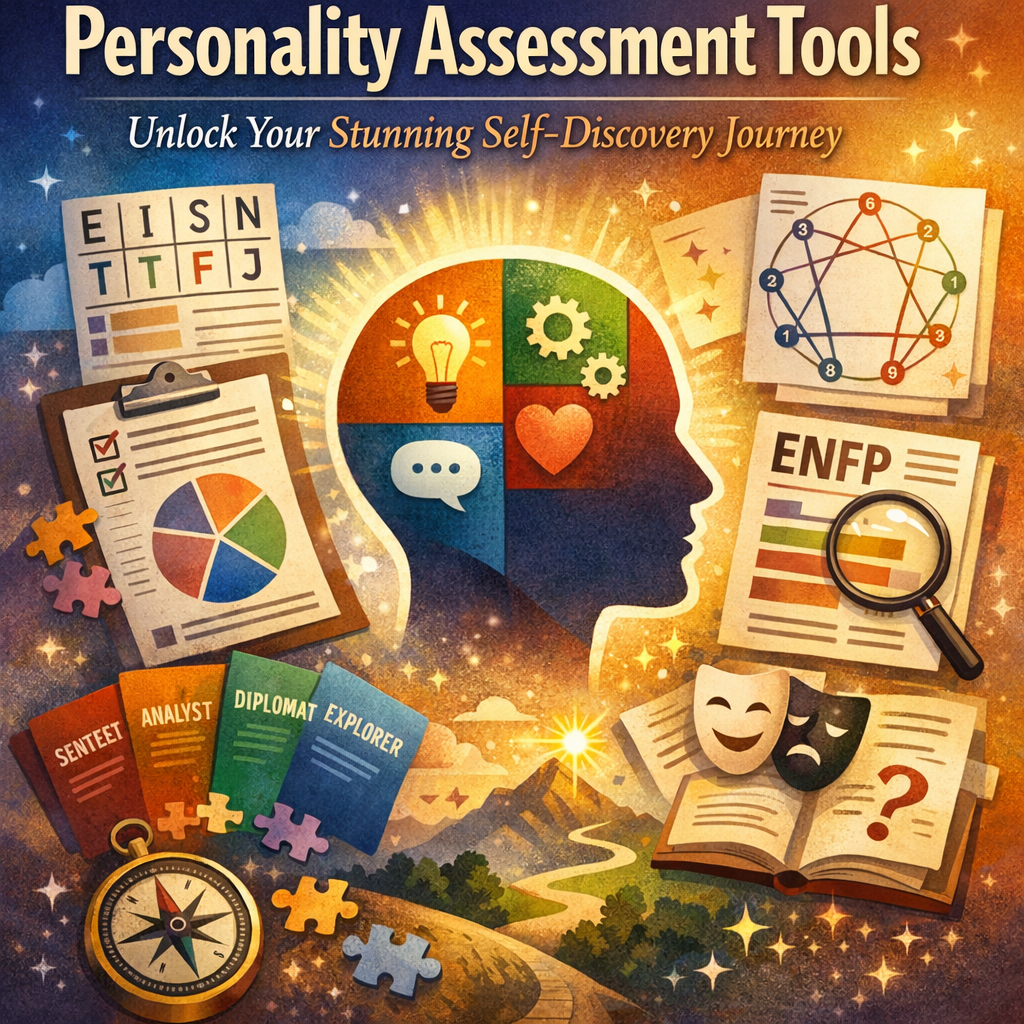
Personality assessment tools are standardized instruments designed to evaluate various dimensions of an individual’s personality. They can range from informal quizzes to sophisticated psychological assessments developed by professionals. Examples include the Myers-Briggs Type Indicator (MBTI), the Big Five Personality Traits, and the Enneagram.
These assessments often categorize personalities into distinct types or traits, allowing individuals to see where they fit within a broader spectrum. This understanding can be transformative, acting as a launching pad for self-improvement and personal development.
The Benefits of Using Personality Assessment Tools
Increased Self-Awareness
One of the primary benefits of using personality assessment tools is enhanced self-awareness. By revealing insights into your character, these tools help you understand your strengths, weaknesses, motivations, and fears. This self-awareness can promote growth and prevent self-sabotage in various aspects of life, from personal relationships to career decisions.
Improved Relationships
Understanding your personality type not only aids in self-discovery but also enhances interactions with others. For instance, if you learn that you value harmony and avoid conflict, you might approach disagreements with a calmer mindset. Similarly, knowing a loved one’s personality type can allow you to communicate more effectively and empathize with their points of view.
Career Development
Many organizations utilize personality assessment tools to align employees’ traits with job roles. Knowing your personality type can provide clarity on career paths best suited for you. For instance, extroverted personalities may thrive in roles involving teamwork and customer interaction, while introverts may prefer positions that allow for focused, independent work.
Enhanced Team Dynamics
In professional settings, personality assessments can foster better team dynamics. When team members understand one another’s personalities, they can utilize each member’s strengths while compensating for weaknesses. This collective comprehension not only improves collaboration but can also drive productivity and innovation.
Popular Personality Assessment Tools
Myers-Briggs Type Indicator (MBTI)
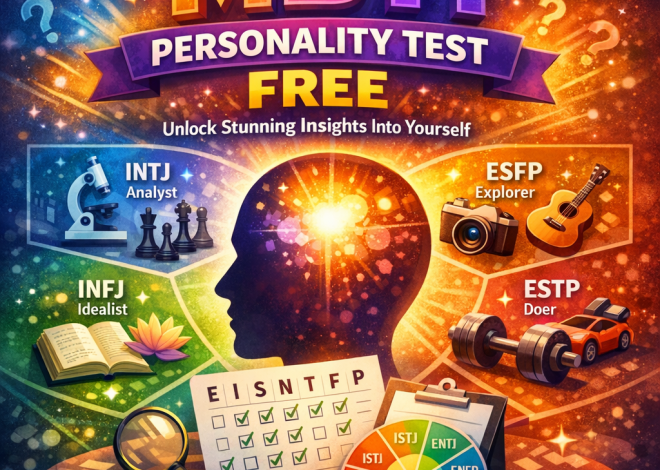
The MBTI is one of the most widely recognized personality assessment tools. Developed by Katharine Cook Briggs and her daughter Isabel Briggs Myers, it categorizes individuals into 16 distinct personality types based on four dichotomies: introversion/extraversion, sensing/intuition, thinking/feeling, and judging/perceiving. Each type provides insights into how individuals perceive the world and make decisions, thus guiding personal growth and relationship development.
The Big Five Personality Traits
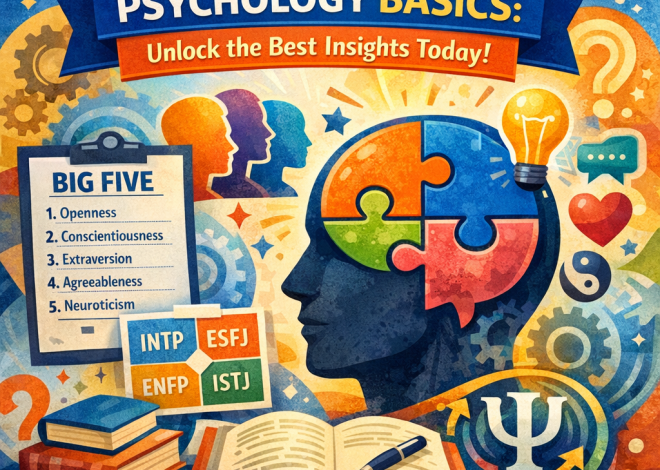
Another influential model, the Big Five Personality Traits—openness, conscientiousness, extraversion, agreeableness, and neuroticism—offers a comprehensive overview of an individual’s personality. This model allows for nuanced understanding, as it doesn’t pigeonhole individuals into fixed categories but rather represents traits along a spectrum.
The Enneagram
The Enneagram is a more recent tool that categorizes personalities into nine interconnected types. Each type has specific motivations, fears, and behavioral patterns, making it valuable for self-discovery and personal development. The Enneagram emphasizes inner growth, highlighting not only each type’s strengths but also areas for improvement.
How to Choose the Right Personality Assessment Tool
Choosing the right personality assessment tool largely depends on your goals. Here are several factors to consider:
1. Purpose: Determine what you hope to achieve. Are you looking for personal insight, career guidance, or relationship improvement? Some tools are more geared towards specific applications than others.
2. Depth: Some personality assessments provide a superficial overview, while others offer deep insight. If you’re serious about exploring your personality, consider more comprehensive tools like the MBTI or the Enneagram.
3. Accessibility: Look for assessments that are user-friendly. Some tools may require extensive training to interpret effectively, while others provide immediate results.
Starting Your Self-Discovery Journey
Unlocking your stunning self-discovery journey using personality assessment tools can be a riveting experience. Start by selecting an assessment that resonates with your objectives. Engage with the results, reflect on their implications, and consider how you can use this newfound knowledge to enhance your life.
Remember, self-discovery is an ongoing journey, not a destination. The insights gained from personality assessment tools can be stepping stones that lead to meaningful changes in your personal and professional life. Embrace the process, and let the adventure of self-discovery unfold!