Personality Behavior Psychology: Unlock Stunning Insights for Self-Improvement
- Personality Behavior Psychology: Unlock Stunning Insights for Self-Improvement
- The Foundations of Personality Behavior Psychology
- How Personality Shapes Behavior
- Unlocking Self-Improvements Through Self-Assessment
- The Role of Emotional Intelligence
- Setting Goals for Personal Development
- Conclusion
Personality Behavior Psychology: Unlock Stunning Insights for Self-Improvement
Understanding personality behavior psychology can be a transformative experience on your journey to self-improvement. By delving into the nuances of personality traits and behaviors, you can unlock a wealth of insights into your own motivations, challenges, and strengths. This exploration not only fosters self-awareness but also empowers you to make informed decisions that can lead to significant improvement in various aspects of your life.
The Foundations of Personality Behavior Psychology
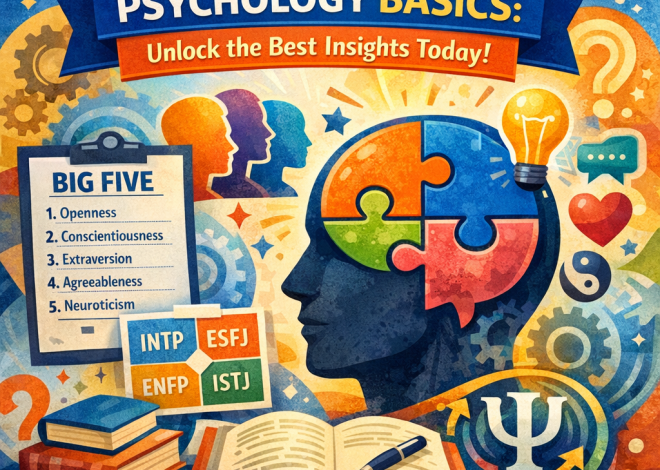
At its core, personality behavior psychology examines the interplay between individual personalities and their behaviors. This field encompasses various theories and frameworks, each providing a different perspective on how our personalities shape our actions. The most prominent theories include the Big Five personality traits, Myers-Briggs Type Indicator (MBTI), and the Enneagram.
The Big Five model, which includes openness, conscientiousness, extraversion, agreeableness, and neuroticism, is widely accepted in psychological circles. This framework helps categorize people into five broad domains, creating a structured way to understand personal differences and how these contribute to behavior in social, workplace, and relationship contexts.
How Personality Shapes Behavior
Understanding the dimensions of personality behavior psychology offers insights into why we act the way we do. For example, someone high in extraversion may seek social interactions and thrive in collaborative environments, while an introverted individual might prefer solitary activities or small group engagements. Recognizing these patterns allows people to interact with others more empathetically and effectively.
Moreover, traits such as conscientiousness can indicate how likely a person is to succeed in goal-oriented tasks. Highly conscientious individuals often exhibit traits like reliability and organization, making them strong in time management and productivity pursuits. On the other hand, high neuroticism may correlate with anxiety and stress, influencing an individual’s ability to perform under pressure.
Unlocking Self-Improvements Through Self-Assessment
If you’re looking to harness personality behavior psychology for self-improvement, the first step is self-assessment. Various personality tests and assessments are available online, allowing you to gauge your personality traits. Understanding your unique personality profile can provide invaluable insights into your strengths and weaknesses.
Once you have a clearer picture of your personality, you can identify areas for growth. For instance, if you discover that you are more agreeable but struggle with assertiveness, focusing on developing communication skills can lead to healthier relationships and better professional dynamics.
The Role of Emotional Intelligence
Another critical element in personality behavior psychology is emotional intelligence (EQ). EQ encompasses our ability to recognize and manage our own emotions, as well as the emotions of others. High emotional intelligence can significantly enhance relationships and personal effectiveness.
Developing your emotional intelligence often begins with enhancing self-awareness—an essential component of effective self-improvement. Techniques such as mindfulness and reflection can facilitate this process, making you more adept at recognizing emotional triggers and responses. As you gain mastery over your emotions, you’ll find that you respond to situations with increased clarity and composure.
Setting Goals for Personal Development
Once you understand your personality traits and have developed emotional intelligence, the next step is goal setting. Here, it’s crucial to set SMART (Specific, Measurable, Achievable, Relevant, Time-bound) goals that align with your personality insights.
If you are an introverted person striving for growth in a career that requires networking, consider setting small, achievable goals—like attending one networking event per month. This approach allows you to step out of your comfort zone gradually while leveraging your strengths to suit your growth.
Conclusion
Incorporating principles from personality behavior psychology into your self-improvement strategy can unlock stunning insights that propel you toward your goals. By understanding yourself on a deeper level, recognizing your emotional landscape, and setting targeted goals, you can embark on a transformative journey of personal growth.
Each step you take fosters greater self-awareness and effectiveness in your interactions with others. So, why not start today? Dive into the world of personality behavior psychology and see how these insights can lead you to a more fulfilled and productive life.