Personality Identity Psychology: Unlock Stunning Insights for Personal Growth
- Unlocking Stunning Insights Through Personality Identity Psychology
- The Basics of Personality Identity Psychology
- The Role of Self-Reflection in Personal Growth
- Understanding Personality Types
- Cultivating a Growth Mindset
- Navigating Relationships with Personality Insights
- Conclusion: Embracing Your Unique Journey
Unlocking Stunning Insights Through Personality Identity Psychology
Personality identity psychology is a fascinating field that explores how our individual traits, experiences, and social influences shape who we are. Understanding our personality identity is crucial for personal growth, as it helps us navigate relationships, make choices, and face challenges with greater self-awareness. This exploration can yield astonishing insights that not only enhance our understanding of ourselves but also improve our interactions with others.
The Basics of Personality Identity Psychology
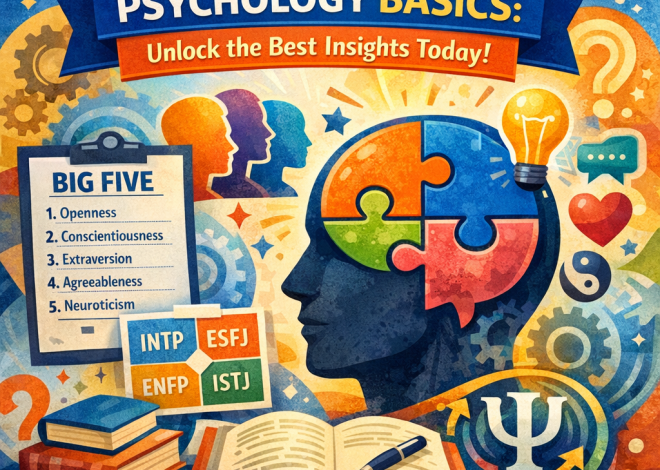
To grasp the concept of personality identity psychology, it is essential to delve into its fundamental components. This field examines the intersection of personality traits and identity formation, drawing from various psychological theories and research. Personality traits, such as openness, conscientiousness, extraversion, agreeableness, and neuroticism, significantly influence how we perceive ourselves and the world around us.
Identity formation, on the other hand, is influenced by various factors, including family, culture, personal experiences, and societal expectations. When these elements converge, they shape our self-concept, guiding us toward decisions aligned with our personality. Recognizing this interplay allows individuals to identify areas in their lives that may need growth or change.
The Role of Self-Reflection in Personal Growth
A key process in personality identity psychology is self-reflection. Taking the time to examine our thoughts, feelings, and behaviors can reveal patterns that influence our identity. Journaling, meditation, and therapy are powerful tools that foster self-reflection, allowing individuals to dig deeper into their psyche.
Self-reflection encourages individuals to ask meaningful questions: What motivates me? How do I respond to challenges? What are my core values? By actively engaging in this examination, we can uncover insights that may have remained hidden, paving the way for personal development.
Understanding Personality Types
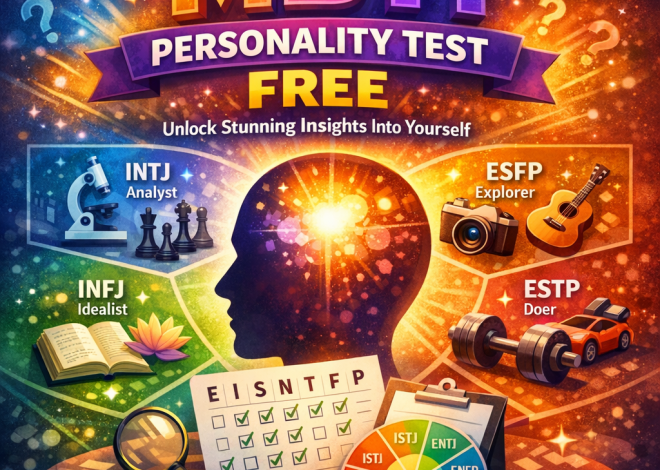
Another essential aspect of personality identity psychology is the categorization of personality types. Various frameworks, such as the Myers-Briggs Type Indicator (MBTI), the Big Five personality traits, and the Enneagram, offer valuable insights into our personality dynamics.
For instance, the MBTI categorizes individuals into 16 distinct personality types based on their preferences in four dichotomies: introversion versus extraversion, sensing versus intuition, thinking versus feeling, and judging versus perceiving. Understanding your type can illuminate your strengths and weaknesses and help you appreciate the differences in those around you.
Embracing these distinctions plays a crucial role in personal growth, as it fosters empathy and communication skills. When you recognize that others may process the world differently, you can adjust your approach to collaboration and conflict resolution.
Cultivating a Growth Mindset
Personality identity psychology emphasizes the importance of adopting a growth mindset. This concept, popularized by psychologist Carol Dweck, suggests that our abilities and intelligence can be developed through dedication and hard work. A growth mindset encourages resilience, adaptability, and a willingness to learn from experiences.
By acknowledging that our personality traits are not fixed, we open ourselves up to the possibility of change. This perspective empowers us to take on challenges without fear of failure. Instead of viewing setbacks as personal shortcomings, we learn to see them as opportunities for growth.
Navigating Relationships with Personality Insights
One of the most profound applications of personality identity psychology is in the realm of relationships. Understanding your personality and the personalities of those around you can significantly enhance interpersonal dynamics.
When you are aware of your communication style and emotional triggers, you can engage in healthier conversations and resolve conflicts more effectively. Moreover, recognizing the personality traits of loved ones allows you to tailor your interactions, fostering deeper connections and understanding.
Building strong relationships is essential for personal growth, as supportive connections can provide encouragement, feedback, and new perspectives. By leveraging insights from personality identity psychology, you can cultivate relationships that nurture your development and well-being.
Conclusion: Embracing Your Unique Journey
In conclusion, personality identity psychology offers a treasure trove of insights for personal growth. By engaging in self-reflection, understanding personality types, fostering a growth mindset, and enhancing relationships, we can unlock the full potential of our identities. Each individual’s journey is unique, and embracing this diversity is crucial for our collective growth.
As you explore your personality identity, remember that change is possible. With awareness and intention, you can harness the insights gleaned from this field to navigate life more effectively and cultivate meaningful personal growth. In doing so, you’ll not only better understand yourself but also contribute positively to the lives of those around you.