Personality Identity Psychology: Unlocking Your Unique Self for Success!
- Understanding Personality Identity Psychology
- The Big Five Personality Traits
- The Intersection of Personality and Identity
- The Role of Self-Esteem and Self-Concept
- How Understanding Your Unique Self Can Drive Success
- Enhancing Relationships
- Career Development
- Goal Setting and Achievement
- Conclusion: Embrace Your Unique Journey
Personality Identity Psychology: Unlocking Your Unique Self for Success
Personality identity psychology plays a crucial role in understanding who we are as individuals and how our unique traits influence our behavior and choices. By delving into the concepts of personality and identity, we gain valuable insights that can empower us to navigate various aspects of life, from personal relationships to career advancement. This exploration not only helps us recognize our strengths and weaknesses but also guides us in shaping a successful and fulfilling life.
Understanding Personality Identity Psychology
Personality identity psychology is an interdisciplinary field that merges elements of psychology, sociology, and philosophy to analyze how one’s personality shapes their identity. Personality consists of unique emotional, cognitive, and behavioral patterns that distinguish one individual from another. Identity, on the other hand, encompasses a broader spectrum, including self-perception, social roles, and cultural influences.
The Big Five Personality Traits
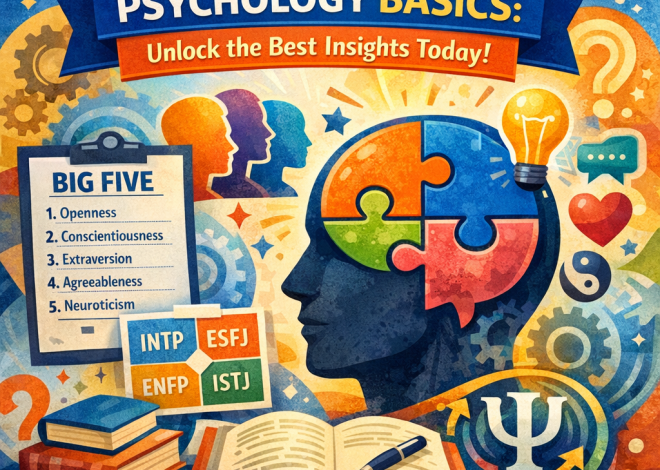
A fundamental framework in personality psychology is the Big Five model, which identifies five core dimensions of personality:
1. Openness to Experience: Reflects a person’s willingness to engage with novel ideas, experiences, and individuals.
2. Conscientiousness: Represents how organized, dependable, and disciplined one is in their approach to tasks.
3. Extraversion: Describes the level of sociability and enthusiasm exhibited by an individual.
4. Agreeableness: Indicates how cooperative and considerate a person is in their interactions.
5. Neuroticism: Characterizes emotional stability and resilience, highlighting tendencies toward anxiety and mood fluctuations.
Each trait exists on a continuum, and understanding where you fit within this spectrum can significantly impact multiple areas of life, including your effectiveness in personal relationships and career paths.
The Intersection of Personality and Identity
Exploring personality identity psychology invites individuals to consider how their traits interact with their self-concept. Our identities are often shaped by various factors including family background, cultural influences, and personal experiences.
The Role of Self-Esteem and Self-Concept
Self-esteem and self-concept are critical components of identity. Self-esteem reflects your overall sense of worth, while self-concept pertains to your understanding of who you are. These constructs are shaped by both internal assessments (such as personality traits) and external evaluations (such as societal expectations).
Individuals with high self-esteem often embrace their unique traits, while those with lower self-esteem may struggle to validate their identity, leading to challenges in achieving personal and professional goals. Cultivating a positive self-concept requires self-reflection and the willingness to confront and overcome biases that might undermine one’s confidence.
How Understanding Your Unique Self Can Drive Success
Recognizing and leveraging your personality identity can pave the way for numerous advantages in life. Here are some areas where this understanding can notably enhance your success.
Enhancing Relationships
Awareness of your personality traits can significantly improve your interactions with others. For instance, understanding your level of agreeableness can guide you in navigating conflicts. If you identify as high in agreeableness, you might feel compelled to avoid confrontation. Recognizing this can allow you to harness other traits, such as conscientiousness, to address issues more directly while maintaining positive relationships.
Career Development
In professional settings, personality identity psychology can aid in making informed decisions about career paths and team dynamics. For example, if you thrive in roles that require creativity, recognizing your openness to experience can push you toward opportunities in fields such as marketing, entrepreneurship, or the arts. Conversely, someone high in conscientiousness may excel in roles that entail organization and detail orientation, like project management or administration.
Goal Setting and Achievement
Understanding your motivations, driven by your personality, is essential in goal setting. If you’re more extraverted, you might find that setting goals around networking and social engagement leads to higher productivity. Acknowledging these personal preferences can enhance your capacity to maintain motivation and ensure that the goals resonate with your core identity.
Conclusion: Embrace Your Unique Journey
In the journey of self-discovery, personality identity psychology serves as a key to unlocking your unique self. By understanding the intricacies of your personality traits and how they intersect with identity, you empower yourself to navigate challenges, build productive relationships, and attain your aspirations.
Ultimately, embracing who you are fosters resilience against life’s adversities and opens doors to myriad opportunities for success. Each individual is uniquely equipped with the traits, experiences, and perspectives that can lead to a fulfilling and prosperous life. Take the time to reflect on your personality and embrace the journey of self-discovery; it may very well unlock the path to the success you’ve always envisioned.