
Personality Motivation Psychology: Unleash Your Best Potential Today
- Understanding Personality Traits
- The Connection Between Personality and Motivation
- How Personality Influences Motivation Styles
- The Role of Intrinsic and Extrinsic Motivation
- Unlock Your Potential: Harnessing Personality Motivation Psychology
- Self-Assessment and Awareness
- Set Clear Goals
- Create a Supportive Environment
- Practice Resilience
- Conclusion
Personality Motivation Psychology: Unleash Your Best Potential Today
Personality motivation psychology offers a profound understanding of how our individual traits and characteristics drive our ambition and determination. By delving into this intriguing field, we can unlock pathways to enhance our personal and professional lives. In this article, we’ll explore how different personality types influence motivation, how motivation impacts our lives, and how we can harness this knowledge to realize our fullest potential.
Understanding Personality Traits

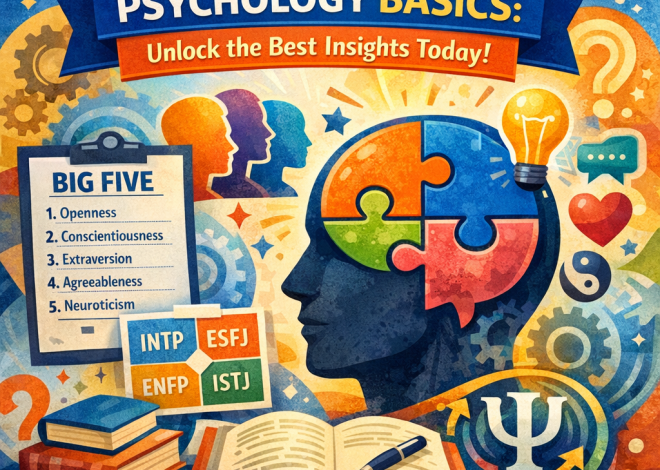
Before diving deeper into personality motivation psychology, it’s essential to comprehend the various personality traits that shape who we are. The most widely recognized framework for understanding personality is the Big Five personality traits, which include:
1. Openness to Experience – This trait indicates a person’s willingness to embrace new ideas, learn from experiences, and be creative.
2. Conscientiousness – Individuals high in this trait tend to be organized, responsible, and dependable.
3. Extraversion – This trait reflects how outgoing and social a person is. Extraverts typically draw energy from social interactions.
4. Agreeableness – People with high agreeableness are compassionate, cooperative, and friendly.
5. Neuroticism – This trait measures emotional stability and resilience. Those high in neuroticism may experience more anxiety or mood swings.
Understanding these traits is vital because they can significantly impact our motivation levels. For instance, a highly conscientious individual may be more disciplined and committed to achieving their goals than someone lower in this trait.
The Connection Between Personality and Motivation
How Personality Influences Motivation Styles
Personality motivation psychology reveals that our unique personality traits influence how we pursue and sustain motivation. Here’s how different personality types may approach their goals:
– High Openness Individuals: They tend to thrive on novelty and exploration. They may be motivated by creativity and passionate pursuits. Their desire to learn drives them to embrace challenges.
– Highly Conscientious Individuals: For these people, motivation often stems from a structured environment and clear objectives. They are likely to be motivated by specific goals and deadlines, relying on their organizational skills to achieve success.
– Extraverts: These social butterflies are often motivated by interpersonal interactions. They may seek collaboration, teamwork, and positive reinforcement from their peers to stay engaged and inspired.
– Agreeable Personalities: They find motivation through harmonious relationships and helping others. Recognition and social support fuel their drive to achieve.
– Neurotic Individuals: Motivation for those with higher levels of neuroticism may stem from fear of failure or avoidance of negative outcomes. This can hinder their progress unless they learn to manage stress and focus on positive reinforcement.
The Role of Intrinsic and Extrinsic Motivation
Understanding the dynamics of intrinsic and extrinsic motivation is another crucial aspect of personality motivation psychology. Intrinsic motivation refers to engaging in an activity for its inherent satisfaction—doing something because you enjoy it. Conversely, extrinsic motivation is driven by outside factors, such as rewards or recognition.
Different personality traits may lean towards one type of motivation:
– Intrinsically Motivated: Often, individuals high in openness and agreeableness are more likely to pursue activities because they find them fulfilling rather than solely for external rewards.
– Extrinsically Motivated: People high in conscientiousness might leverage extrinsic motivators like performance metrics or rewards to push themselves toward success.
Unlock Your Potential: Harnessing Personality Motivation Psychology
Self-Assessment and Awareness
To unleash your best potential, begin with self-assessment. Understanding your personality traits allows you to recognize your motivational drivers. Several online personality tests can provide valuable insights. Take the time to reflect on your goals, challenges, and what truly motivates you.
Set Clear Goals
Employing SMART goals—specific, measurable, achievable, relevant, and time-bound—can help you align your motivations with your objectives. Tailor your goals to your personality type. For example, if you’re high in conscientiousness, structure your goals with clear timelines and steps.
Create a Supportive Environment
Surround yourself with people who understand and support your motivation style. Whether you thrive in collaborative settings or prefer solitary work, build a network that encourages your growth. Seek feedback and reinforcement from those who appreciate your unique strengths.
Practice Resilience
Understanding the connection between personality and motivation can help you develop resilience. When faced with setbacks, maintain a positive mindset and focus on your intrinsic motivations. Embrace challenges as opportunities for growth rather than threats.
Conclusion
Personality motivation psychology is a powerful lens through which we can understand our behaviors, aspirations, and challenges. By recognizing the interplay between personality traits and motivational factors, we can cultivate an environment that promotes success and fulfillment. With self-awareness, structured goal-setting, and a supportive network, you can unleash your best potential and achieve the success you desire. Start today—and watch how it transforms your life!