Personality Psychology Basics: Unlock the Powerful Secrets Today!
- Personality Psychology Basics: Unlock the Powerful Secrets Today!
- What is Personality?
- Key Theories in Personality Psychology
- 1. Trait Theory
- 2. Psychodynamic Theory
- 3. Humanistic Theory
- The Role of Genetics and Environment
- Practical Applications of Personality Psychology
- 1. Personal Relationships
- 2. Workplace Dynamics
- 3. Personal Development
- Conclusion
Personality Psychology Basics: Unlock the Powerful Secrets Today!
Personality psychology basics form the foundation for understanding human behavior and individual differences. This branch of psychology delves into why people think, feel, and act the way they do, providing insights into our personalities, motivations, and interactions. With a wealth of theories and frameworks to explore, grasping the essentials of personality psychology can significantly enhance our personal and professional lives.
What is Personality?
At its core, personality is a combination of habitual behaviors, thoughts, and emotional patterns that shape how we perceive the world and relate to others. It involves both intrinsic elements, such as traits and preferences, and extrinsic factors, like culture and environment. Essentially, personality is the lens through which we interpret and navigate daily experiences.
Key Theories in Personality Psychology
Understanding personality psychology basics requires a look at its foundational theories, which aim to explain the complexities of human behavior. Here are some of the most influential theories:
1. Trait Theory
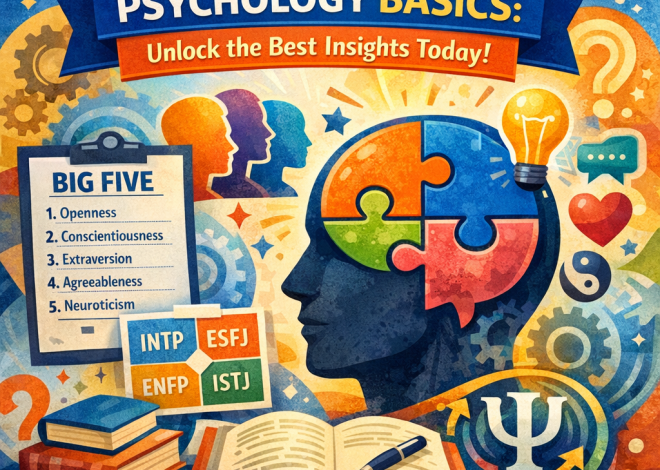
Trait theory posits that personality consists of broad dispositions or traits that influence behavior across various situations. The Five Factor Model (often referred to as the “Big Five”) is a widely accepted framework that categorizes personality into five key dimensions:
– Openness to Experience: Reflects creativity and curiosity.
– Conscientiousness: Involves organization and dependability.
– Extraversion: Relates to sociability and assertiveness.
– Agreeableness: Measures empathy and cooperation.
– Neuroticism: Represents emotional stability and resilience.
By understanding where one falls within these traits, individuals can gain valuable insights into their strengths and areas for growth.
2. Psychodynamic Theory
Originating from the work of Sigmund Freud, psychodynamic theory emphasizes the role of unconscious processes and childhood experiences in shaping personality. Freud suggested that many of our thoughts and behaviors stem from unresolved conflicts and repressed memories. Modern adaptations of this theory, such as those from Carl Jung and Erik Erikson, continue to explore how these early life experiences can influence adult behavior.
3. Humanistic Theory
Humanistic theory focuses on the inherent goodness of people and their capacity for self-actualization. Thinkers like Carl Rogers and Abraham Maslow emphasized the importance of personal growth, fulfillment, and self-perception. According to this perspective, understanding one’s unique potential enhances well-being and psychological health.
The Role of Genetics and Environment
When delving into personality psychology basics, it’s crucial to consider the interplay between genetics and environment. Research indicates that genetics can account for about 30% to 60% of our personality traits.
– Nature: Genetic predispositions can influence characteristics such as temperament and emotional responses.
– Nurture: Environmental factors, including upbringing, culture, and life experiences, can shape and modify those innate traits.
Thus, personality is not solely determined by either genetics or environment; instead, it results from a complex interaction between both.
Practical Applications of Personality Psychology
Understanding personality psychology can have far-reaching implications in daily life:
1. Personal Relationships
By recognizing personality differences, individuals can cultivate healthier relationships. Understanding traits like agreeableness and neuroticism allows for better communication and empathy. Armed with this knowledge, one can also resolve conflicts more effectively, leading to deeper connections.
2. Workplace Dynamics
In a professional setting, personality assessment tools (like the Myers-Briggs Type Indicator) are increasingly employed to build effective teams. Insight into colleagues’ personality traits can enhance collaboration, minimize misunderstandings, and increase productivity.
3. Personal Development
Personal insight gained through personality psychology can guide self-improvement efforts. Whether it’s honing skills related to conscientiousness or pursuing creative outlets to foster openness, this knowledge empowers individuals to take proactive steps toward their goals.
Conclusion
Mastering personality psychology basics opens doors to understanding oneself and others. By integrating insights from various theories and recognizing the influence of both genetic and environmental factors, individuals can enhance their interpersonal relationships, professional endeavors, and personal growth. Embrace the opportunity to unlock these powerful secrets today—your journey toward deeper self-awareness and richer connections awaits!