Personality Psychology Basics: Unlock the Best Insights Today!
- What is Personality Psychology?
- The Importance of Personality Assessments
- Myers-Briggs Type Indicator (MBTI)
- Minnesota Multiphasic Personality Inventory (MMPI)
- The Role of Nature vs. Nurture
- Genetic Influences
- Environmental Influences
- Applications of Personality Psychology
- In Education
- In Business
- In Mental Health
- Conclusion
Personality Psychology Basics: Unlock the Best Insights Today!
Personality psychology basics provide a fascinating lens through which we can understand individual behaviors, thoughts, and emotions. At its core, this field of psychology seeks to explore the myriad factors that shape who we are, how we interact with others, and our innate tendencies. By delving into the fundamentals of personality psychology, we can unlock valuable insights that not only enhance our self-awareness but also improve our relationships and overall well-being.
What is Personality Psychology?

Personality psychology is the scientific study of individual differences in behavior, cognition, and emotional patterns. This branch of psychology examines how personality traits—such as extroversion, agreeableness, and conscientiousness—are formed, how they manifest in human behavior, and the role they play in determining life outcomes.
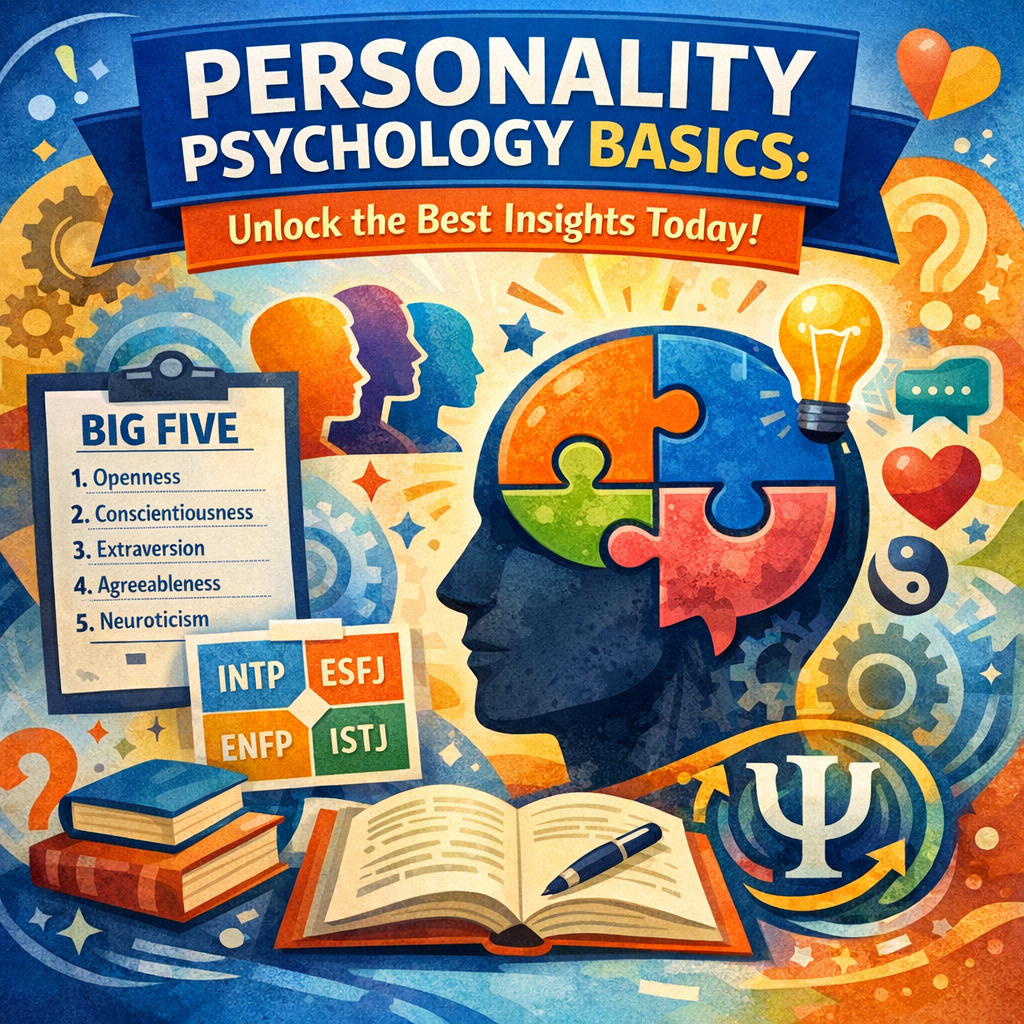
Understanding personality involves exploring various theories and models developed over the years. The most renowned of these is the Five Factor Model (often abbreviated as “Big Five”), which breaks down personality into five core dimensions: openness, conscientiousness, extraversion, agreeableness, and neuroticism. Each of these traits operates on a continuum, meaning individuals display varying degrees of each characteristic.
The Importance of Personality Assessments
When discussing personality psychology basics, it’s crucial to address how assessments can be used to measure different personality traits. Tools such as the Myers-Briggs Type Indicator (MBTI) and the Minnesota Multiphasic Personality Inventory (MMPI) offer structured ways for individuals to assess their personality.
Myers-Briggs Type Indicator (MBTI)
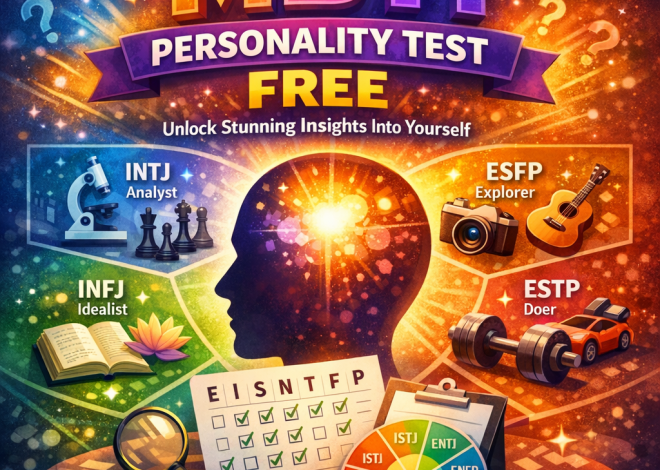
The MBTI categorizes individuals into 16 distinct personality types based on four dichotomies: introversion vs. extraversion, sensing vs. intuition, thinking vs. feeling, and judging vs. perceiving. This tool is particularly popular in professional settings for team-building exercises and career counseling.
Minnesota Multiphasic Personality Inventory (MMPI)
On the other hand, the MMPI is primarily used in clinical settings to assess and diagnose mental health conditions. It offers a deeper understanding of personality dysfunction, making it an invaluable resource for psychologists.
By using these assessments, individuals can gain insights into their strengths, weaknesses, and areas for personal growth. Furthermore, understanding the basics of personality psychology helps us appreciate the diversity of human behavior, fostering empathy and reducing conflict in our interactions.
The Role of Nature vs. Nurture
One of the enduring questions in personality psychology is the extent to which our personalities are shaped by genetic inheritance (nature) versus environmental factors (nurture). Research indicates that both elements play significant roles, but the degree of their influence can vary widely among individuals.
Genetic Influences
Studies, such as twin and family assessments, have demonstrated that genetics contribute to about 40-60% of personality traits. For instance, traits like temperament can often be traced back to genetic predispositions.
Environmental Influences
On the flip side, the environment we grow up in, including our family dynamics, culture, and life experiences, shape our personality just as significantly. Factors such as education, socioeconomic status, and peer relationships also play vital roles in molding who we are.
Understanding this interplay between genetic and environmental factors enriches our grasp of personality psychology basics, offering a more comprehensive view of human behavior.
Applications of Personality Psychology
The insights derived from personality psychology basics have practical applications across various fields, such as education, business, and mental health.
In Education
Educators can benefit from understanding personality styles to tailor their teaching methods to different learners. Recognizing that some students are more extroverted and thrive in collaborative settings while others may be introverted and perform better in self-directed tasks can enhance educational outcomes.
In Business
In the workplace, knowing the personality types of employees can aid in effective team dynamics and communication. For instance, an organization can assemble teams that balance creative thinkers with detail-oriented planners to maximize project efficiency.
In Mental Health
Therapists use personality principles to guide their treatment plans, providing personalized care based on an individual’s unique traits. This individualized approach can lead to more effective therapeutic outcomes.
Conclusion
Exploring personality psychology basics offers a path to greater self-awareness and understanding of others. By embracing the theories, assessments, and practical applications of personality psychology, we can enhance our personal growth, improve our relationships, and navigate the complexities of human behavior. Whether you’re looking to deepen your understanding of yourself or striving to foster healthier interactions with those around you, the insights gained from personality psychology are invaluable tools on your journey toward emotional intelligence and personal development. Unlocking these insights is not just an academic exercise; it’s a practical strategy for living a more fulfilled life.