
Personality Traits List Psychology: Discover the Best Traits Today!
- The Basics of Personality Traits
- The Big Five Personality Traits
- Exploring the Myers-Briggs Type Indicator (MBTI)
- Understanding the Importance of Personality Traits
- Career Development
- Personal Growth and Self-awareness
- Conclusion
Discover the Best Traits Today in the Realm of Personality Psychology
When delving into the fascinating world of psychology, one cannot overlook the significance of the personality traits list psychology offers. Understanding these traits is essential for personal development, enhancing interpersonal relationships, and even guiding career choices. This article explores the various personality traits defined by psychologists, shedding light on how they shape our behaviors and interactions.
The Basics of Personality Traits

Personality traits are enduring characteristics that influence how individuals feel, think, and behave. They are typically assessed through comprehensive personality tests and are often grouped into different frameworks. Two of the most recognized approaches include the Big Five Personality Traits and the Myers-Briggs Type Indicator (MBTI).
The Big Five Personality Traits
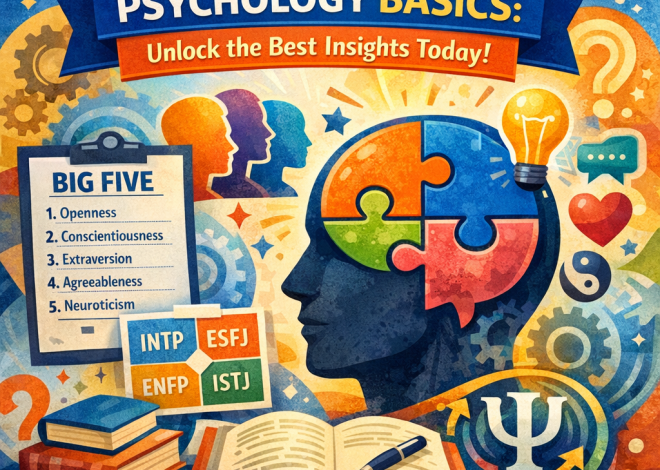
The Big Five model, often referred to by the acronym OCEAN, encompasses five core traits:
1. Openness to Experience: This trait describes an individual’s willingness to engage with novelty and new ideas. Those high in openness tend to be imaginative, curious, and adventurous, whereas those low in this trait may prefer routine and familiarity.
2. Conscientiousness: Individuals scoring high in conscientiousness are organized, diligent, and reliable. They tend to plan ahead and prioritize tasks efficiently. On the other hand, those with low conscientiousness may struggle with organization and dependability.
3. Extraversion: Extraverts are sociable, energetic, and often thrive in group settings. They gain energy from interacting with others, while introverts may find social interactions draining and prefer solitary environments.
4. Agreeableness: This trait exemplifies how accommodating, compassionate, and cooperative individuals are. High agreeableness indicates a person who values harmony and social connections, while low agreeableness may manifest as skepticism or competitiveness.
5. Neuroticism: Those high in neuroticism often experience emotional instability, anxiety, and mood fluctuations. In contrast, individuals low in this trait tend to have a more even temperament and are better equipped to handle stress.
Exploring the Myers-Briggs Type Indicator (MBTI)
Another influential personality framework, the Myers-Briggs Type Indicator, categorizes individuals into 16 distinct personality types based on four dichotomies:
1. Introversion (I) vs. Extraversion (E): This dimension examines where individuals focus their attention and derive their energy.
2. Sensing (S) vs. Intuition (N): This trait addresses how individuals take in information. Sensing types prefer concrete data, while intuitive types focus on patterns and possibilities.
3. Thinking (T) vs. Feeling (F): This dichotomy revolves around decision-making processes. Thinking types rely on logic and objectivity, while feeling types prioritize personal values and the emotional impact of decisions.
4. Judging (J) vs. Perceiving (P): This trait highlights how individuals approach structure in their lives. Judging types prefer structure and organization, while perceiving types are more flexible and open-ended.
Understanding the Importance of Personality Traits
The knowledge from a personality traits list psychology is not just academic; it has real-world applications. Understanding personality traits can significantly improve interpersonal relations, whether in personal or professional contexts. Knowing one’s traits enables individuals to identify strengths and weaknesses, tailor communication approaches, and foster stronger, more effective relationships.
Career Development
In the realm of career development, personality traits play a vital role. Certain professions may suit particular traits better than others. For instance, roles that require high levels of extraversion often thrive in sales, marketing, or teaching, while those with higher conscientiousness may excel in project management or research.
Personal Growth and Self-awareness
Utilizing a personality traits list not only aids in understanding others but also offers insight into oneself. By assessing one’s traits, individuals can embark on a journey of self-improvement, enhancing their emotional intelligence and adaptive skills. This self-awareness leads to better decision-making and personal fulfillment.
Conclusion
By exploring the landscape of personality traits outlined in the personality traits list psychology, one can gain invaluable insights into human behavior. Whether through the established frameworks of the Big Five or the intricate web of the MBTI, understanding these traits allows for a deeper comprehension of oneself and others. As we continue to navigate the complexities of personal relationships and professional landscapes, leveraging insights from personality psychology will undoubtedly yield profound benefits. Whether you’re seeking to improve your personal life or boost your career, embracing the traits that define you can be a transformative experience.